Human Behaviour
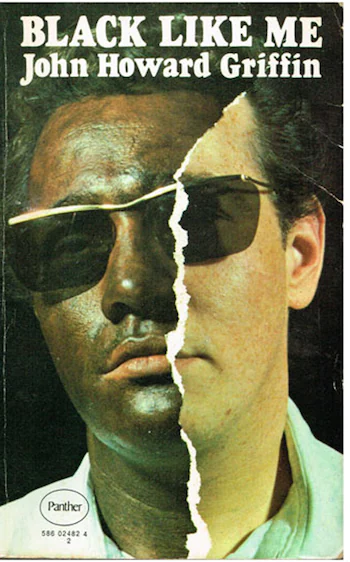
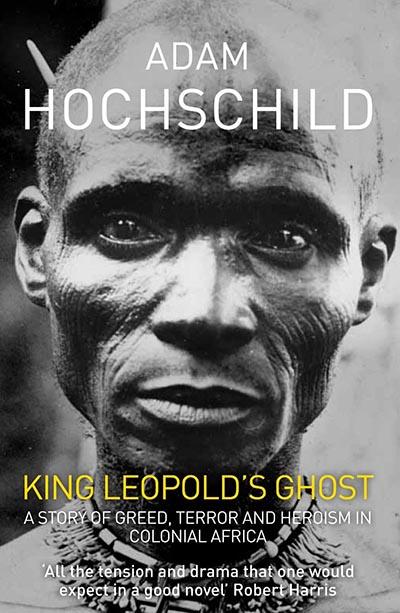
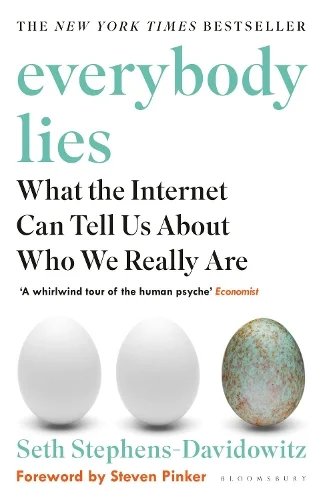
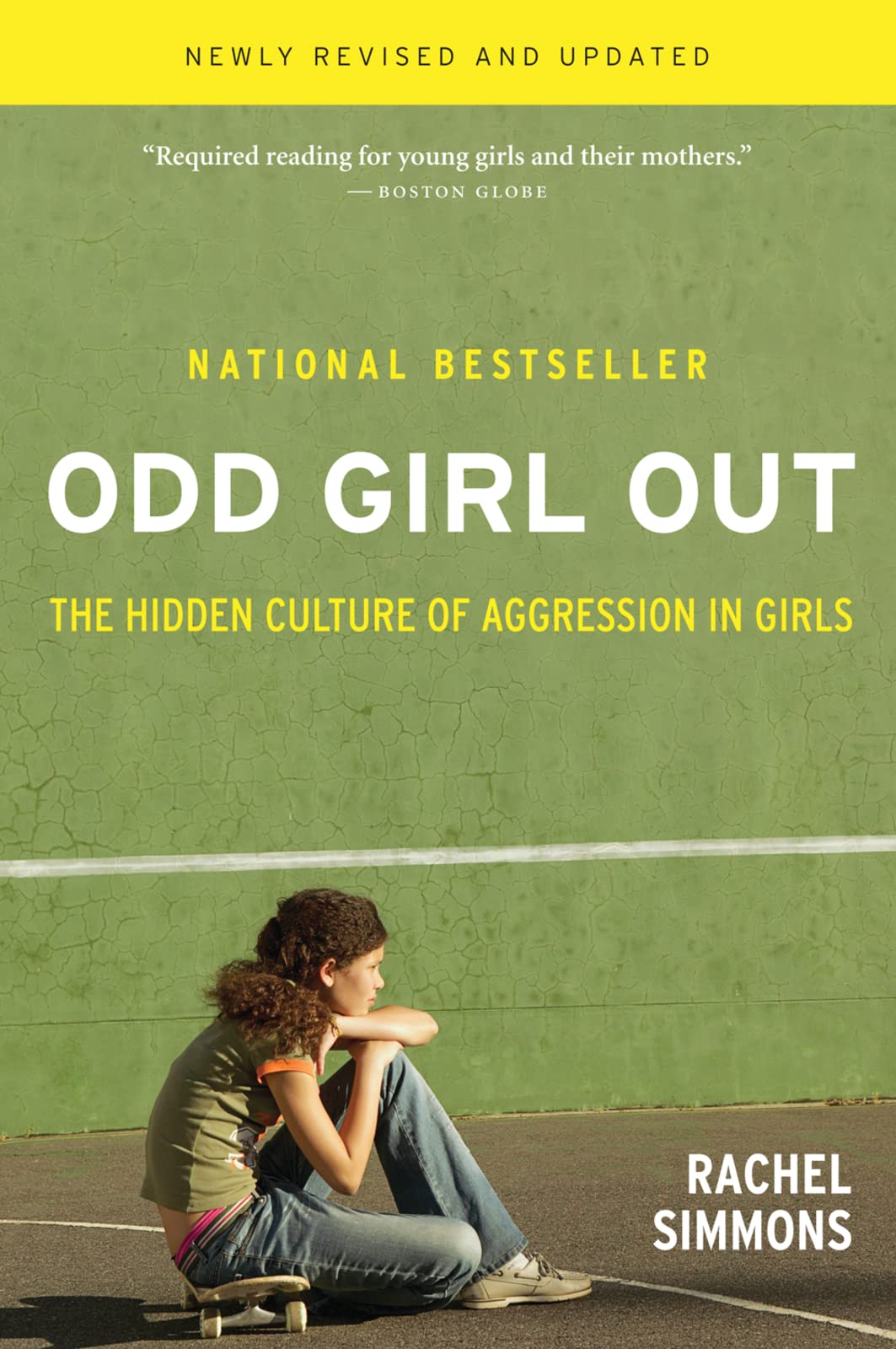
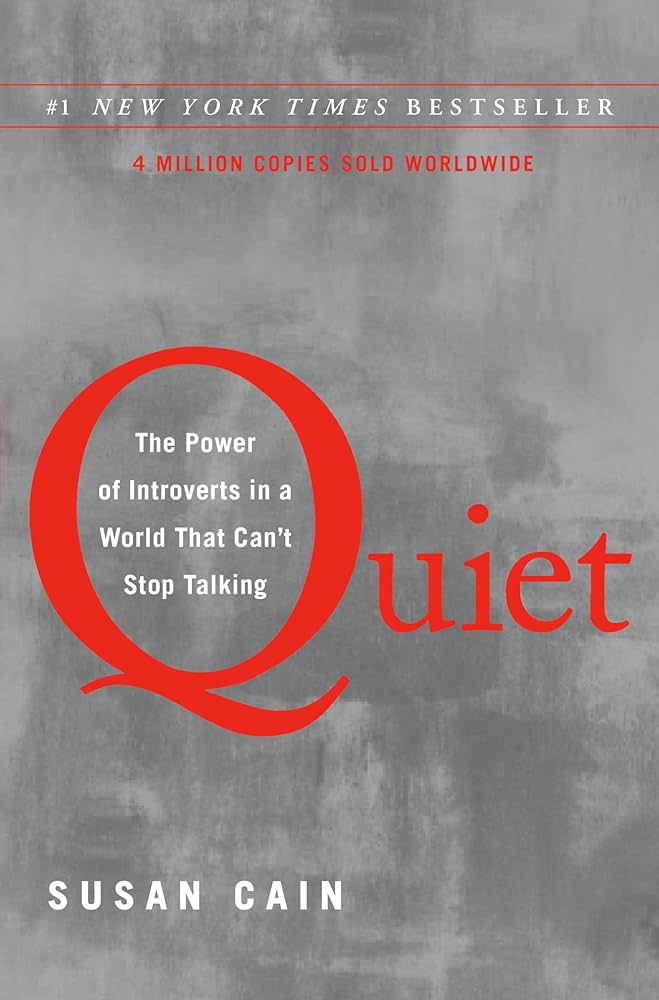
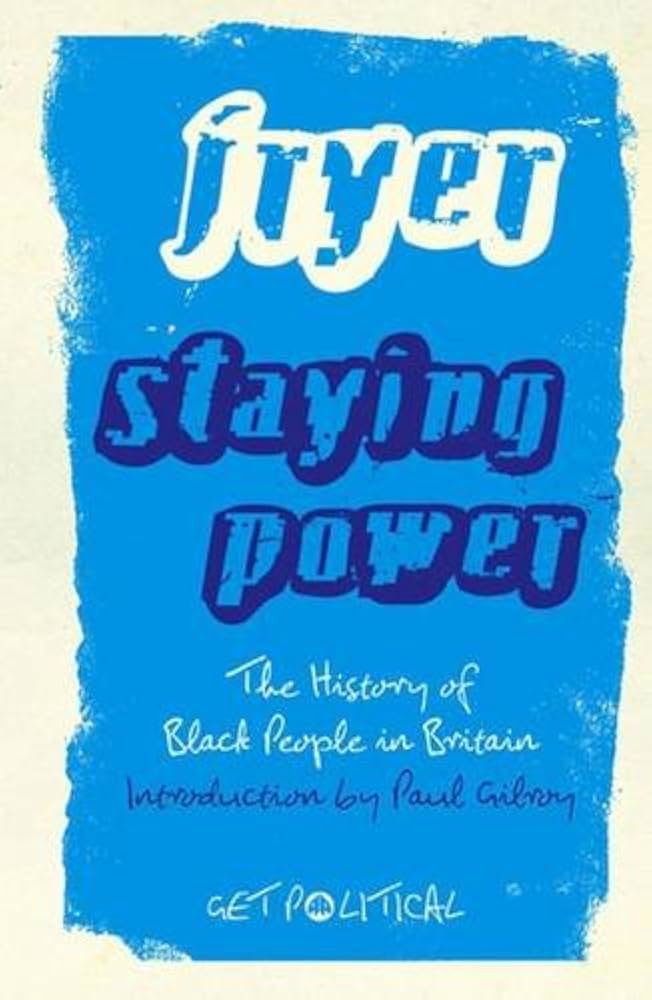
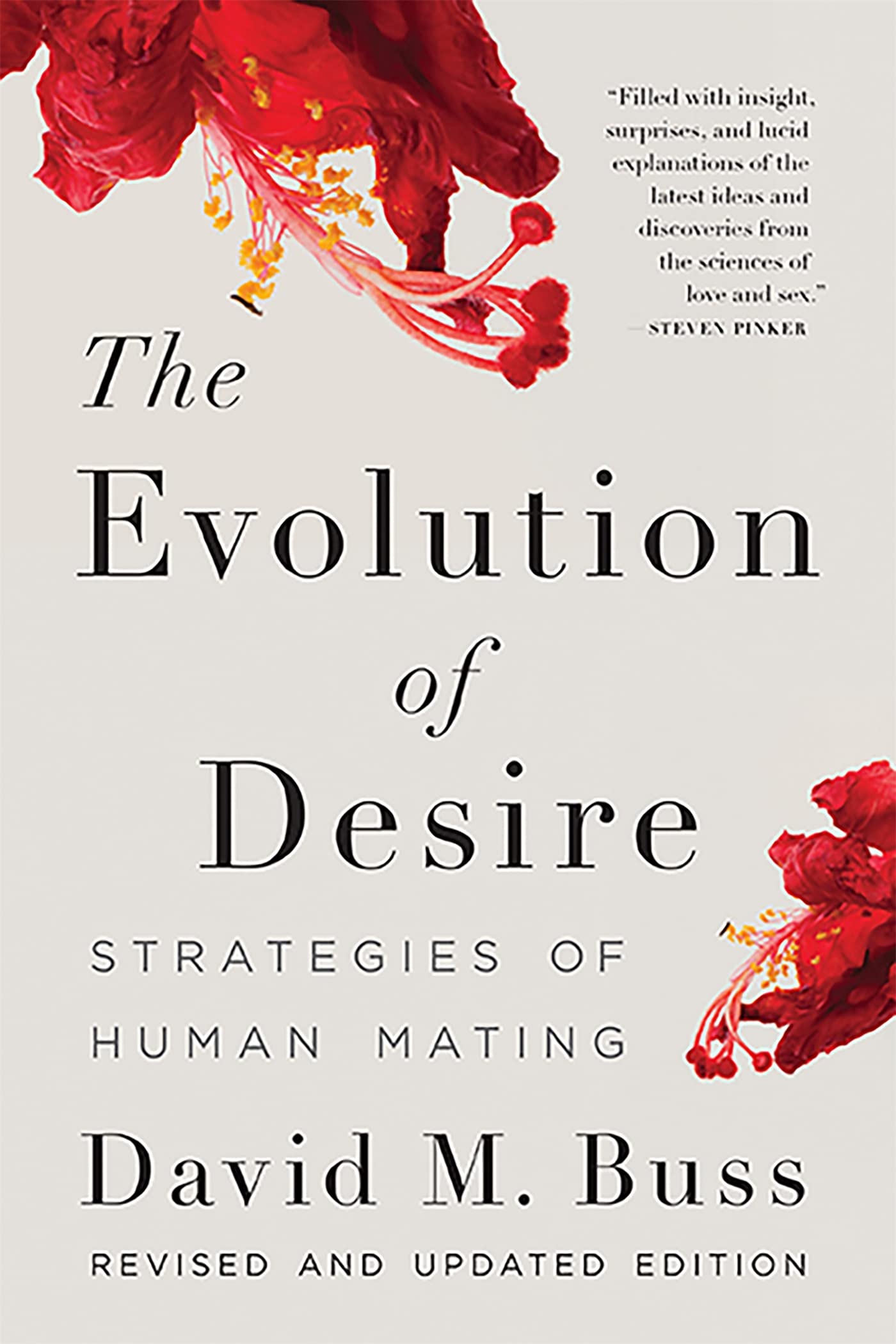
We humans are fascinated by ourselves. We are our own main preoccupation for the most part as we try to understand what it all means on an individual level up, or down. We puzzle over our own psychology, our families, tribes, nations and the world. This natural inclination to ponder the meaning of things starting with us makes for a lot of interesting reading. I’ve tried to put a few good titles together below, standing out as memorable and accessible from the thousands of books and papers I’ve read. I studied Sociology, have a great interest in human and animal behaviour and wonder if we’ll ever know what it all means, and how we fit in. Gödel’s second incompleteness theorem says a system cannot demonstrate its own consistency, which begs the question of whether we humans have the capacity to understand ourselves and our place in the universe.
“I think it takes time – it took me time – to realise just how very different people are from each other.” ― Stephen Grosz, The Examined Life



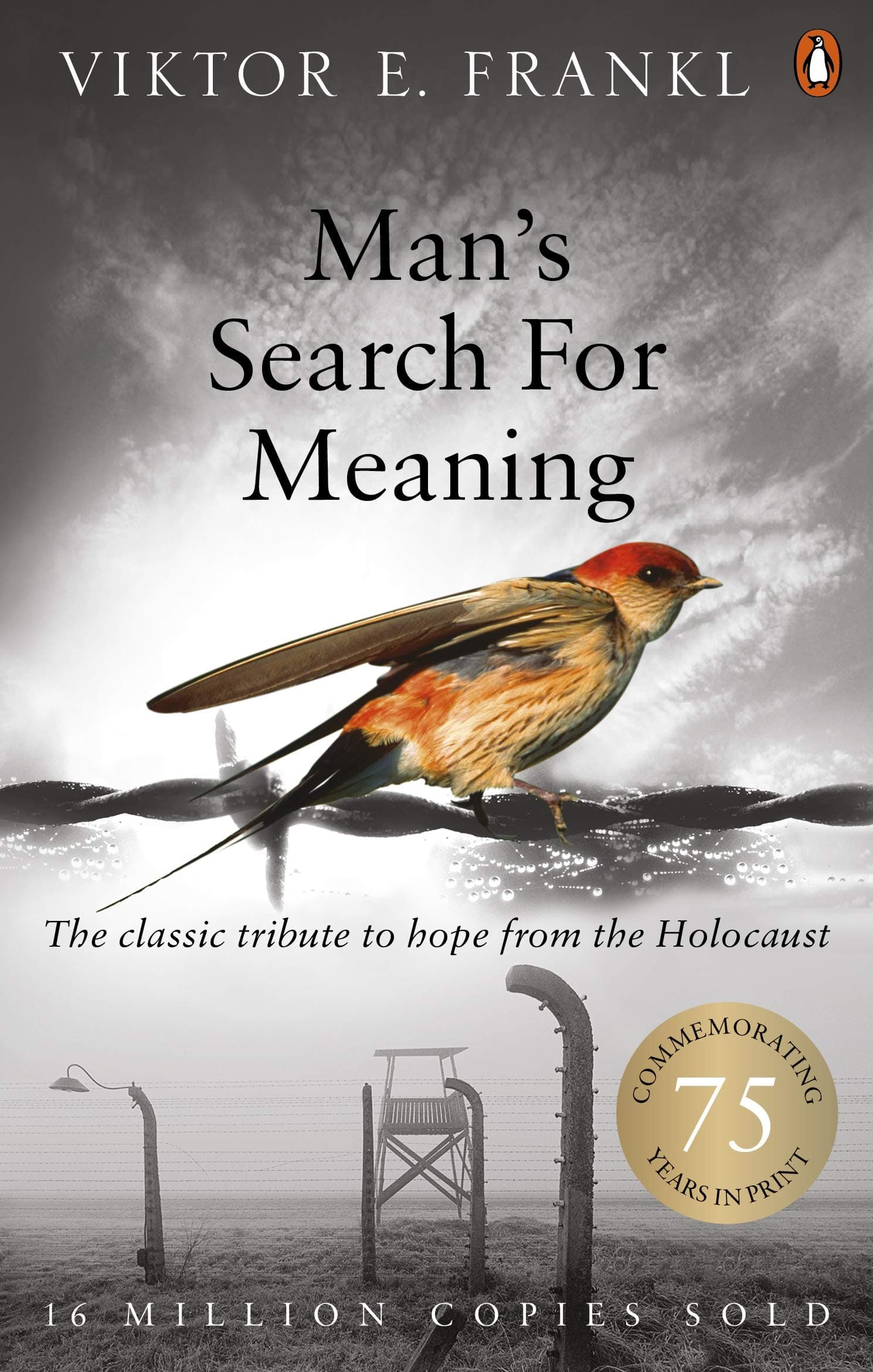
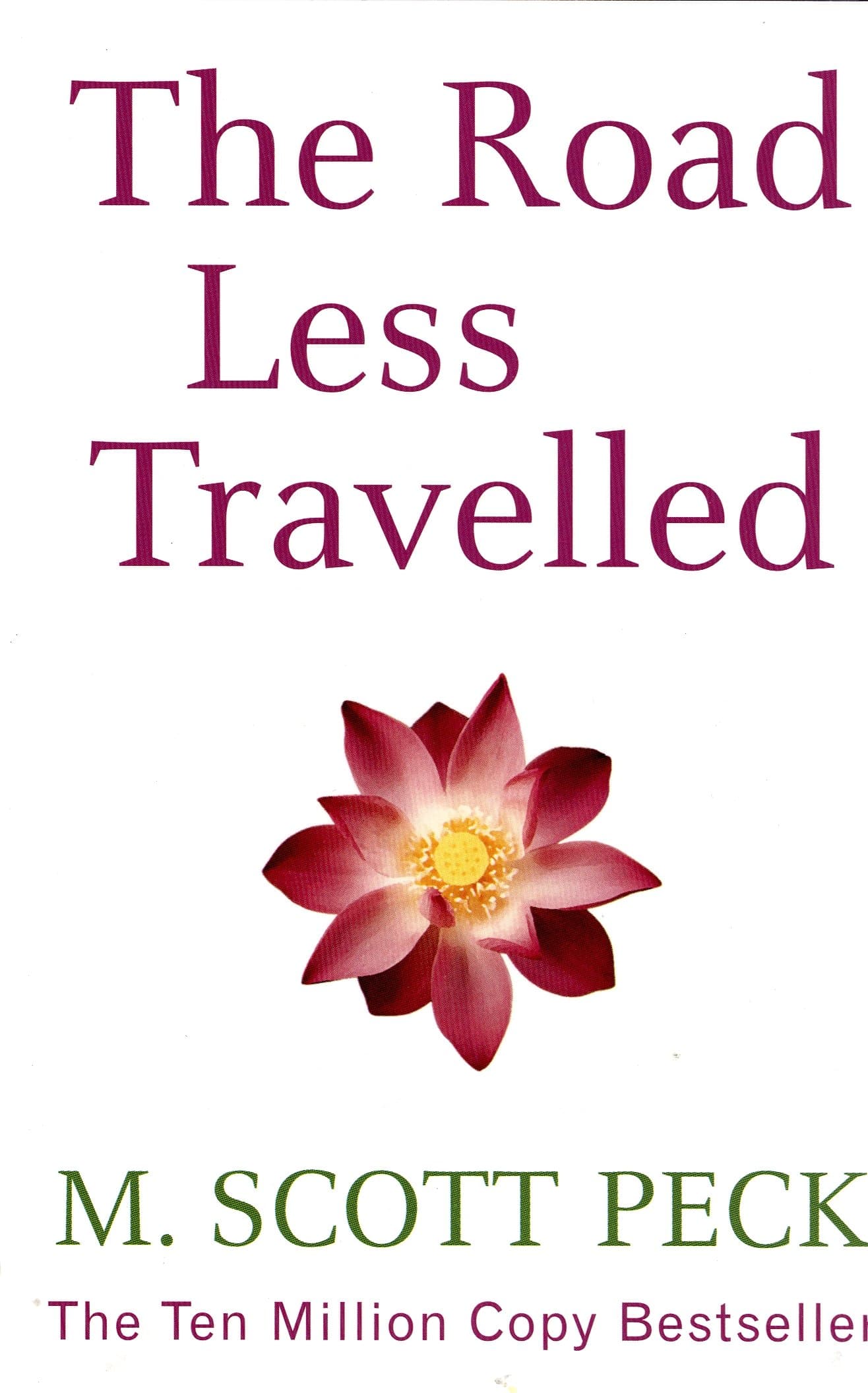
Philosophy and Religion
This second section is arguably rather short for the fact it’s dealing with the most expansive of subjects. However this is a list of classics that are accessible, feel universal in their message. I could have included a modern religious book, or a more well regarded religious book, instead I chose a book on the Hermetica. It’s lofty and deals with concepts that relate to the oneness of a supreme being, and alludes to quantum physics.
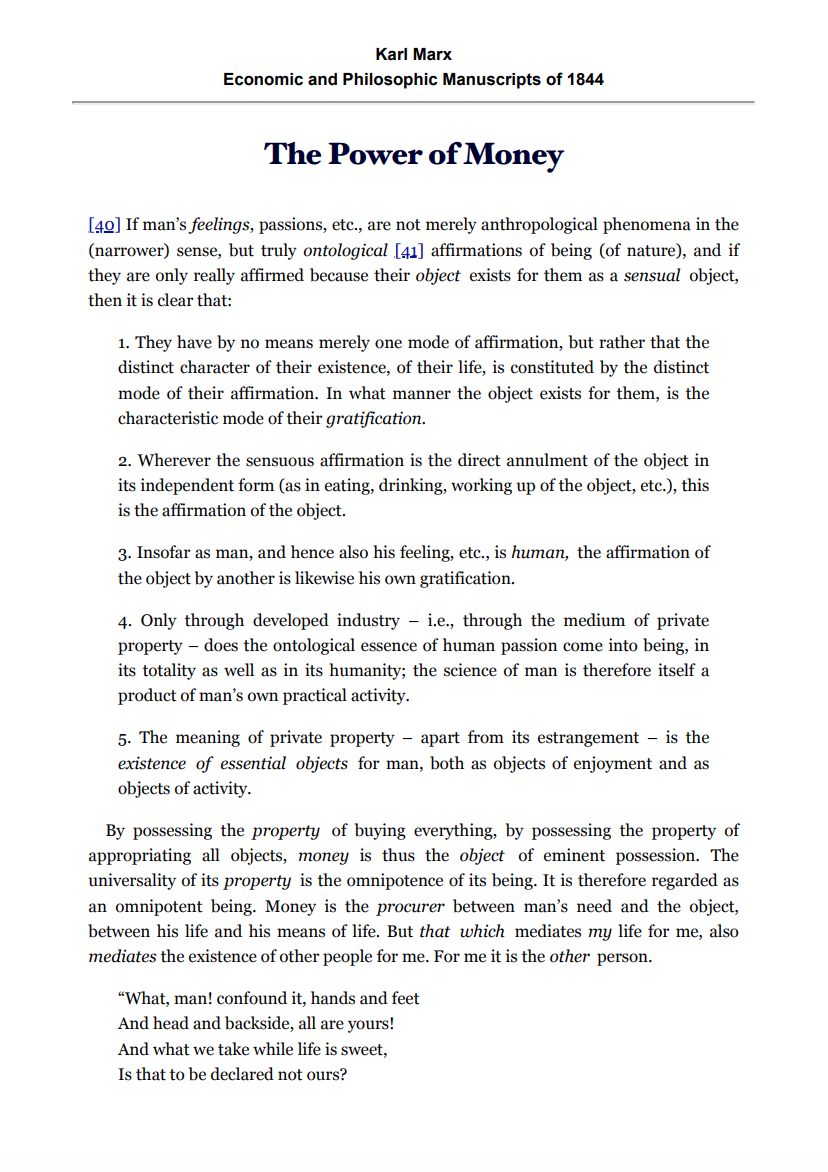
This list includes just one of two essays on this initial list, Karl Mark on The Power of Money. As a student I went through the pain of reading large volumes of Marx’s frankly terrible, un-insightful and rather boring work. I read every volume of Das Kapital, once doing so on a plane ride to Spain or Greece for a holiday. Wishing he’d have gotten to see a mere worker fly, in the sky, on an aeroplane for a day’s wages. Thanks to the inclusive growing, shared capitalist pie. Take that Marx! So he was in my opinion mostly wrong but this essay is a thing of beauty that touches on some truths with precision and uncharacteristic brevity.
“Yet, the things that the eye can see are mere phantoms and illusions. Only those things invisible to the eye are real.” - The Hermetica, Lost Wisdom.


Art and Design
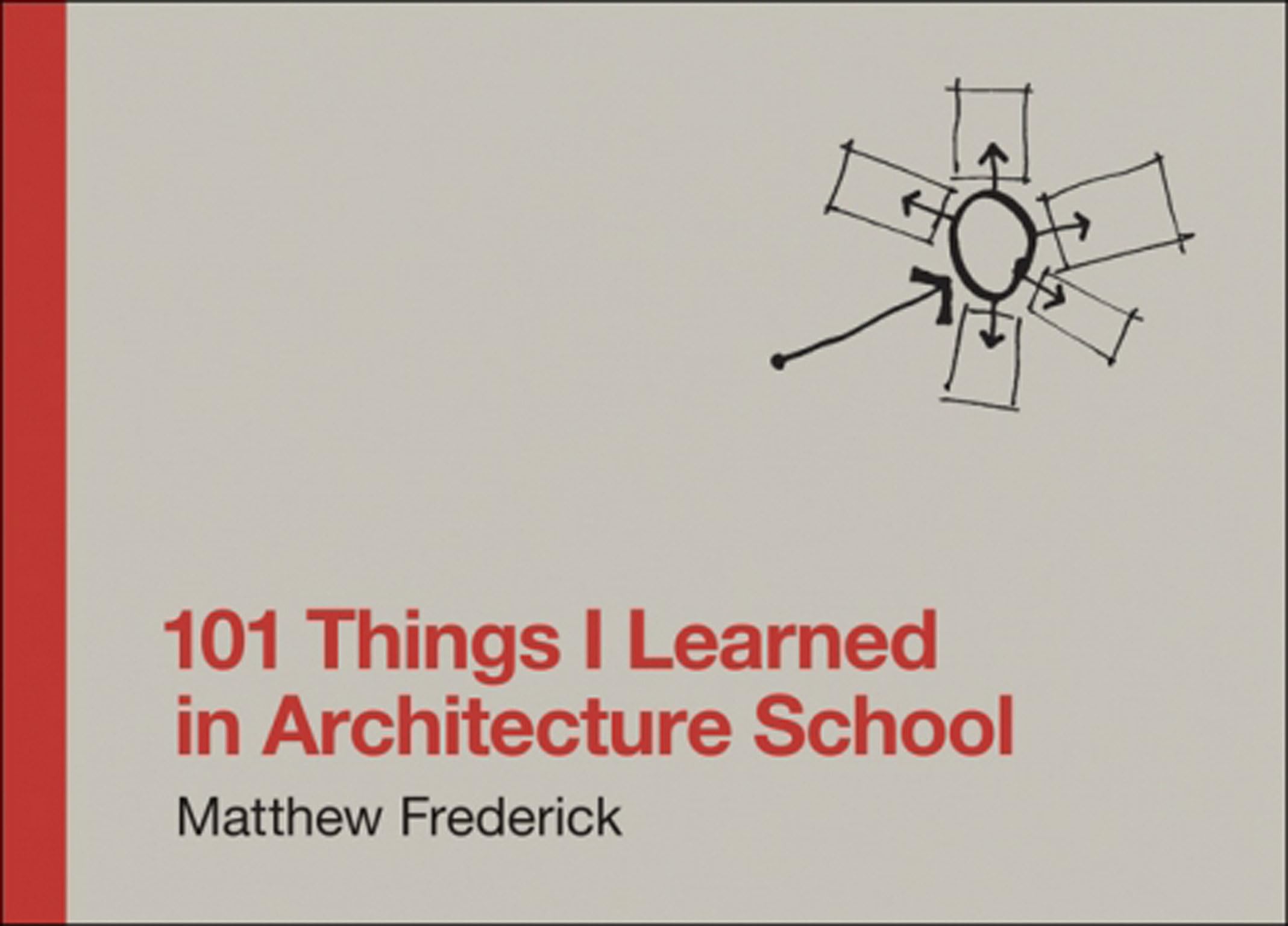
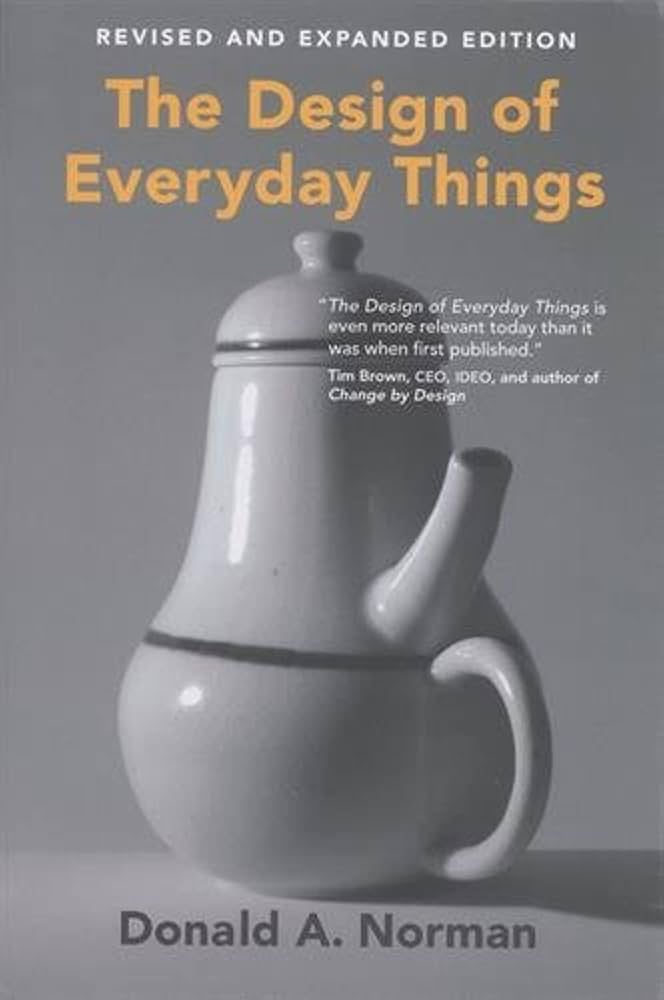
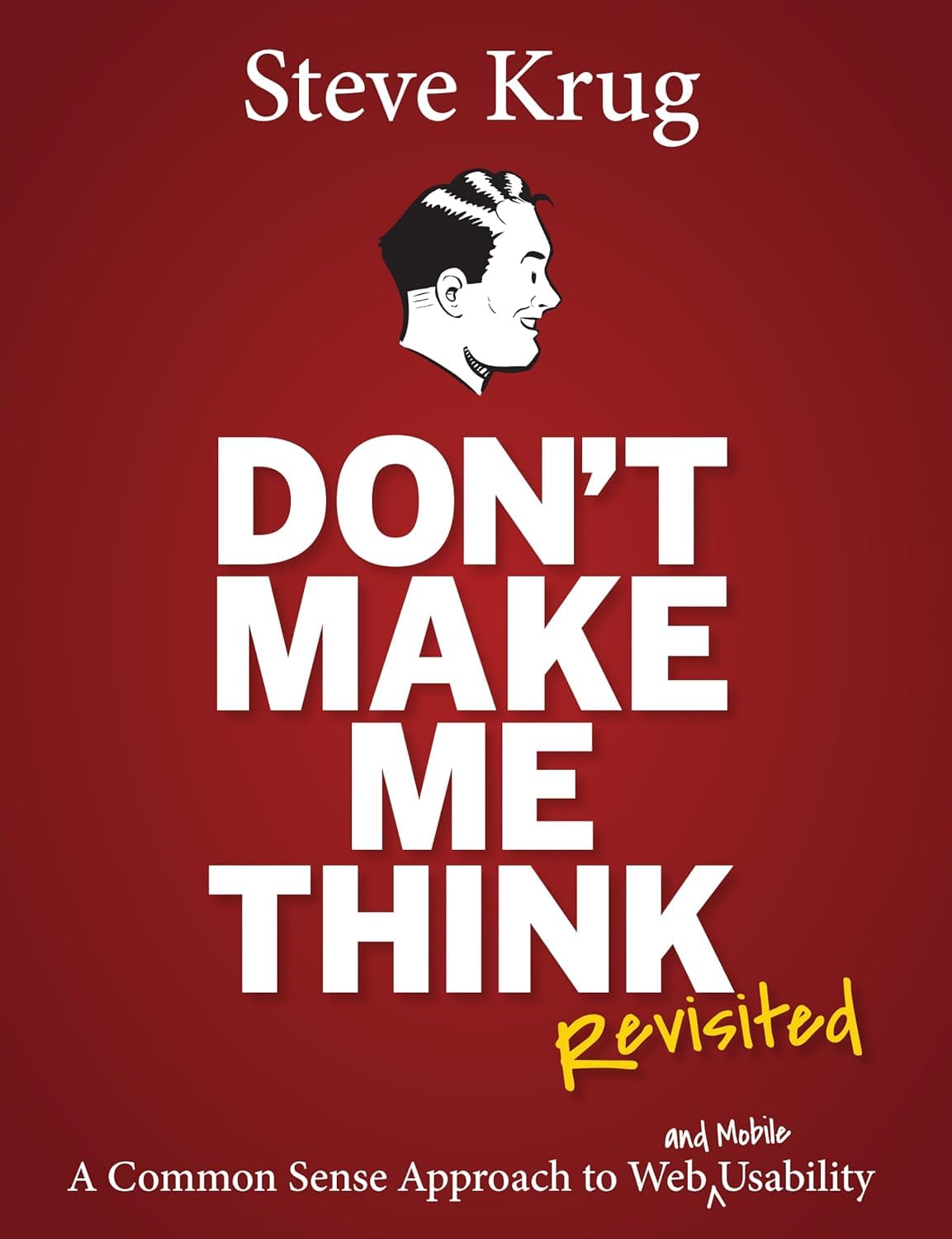
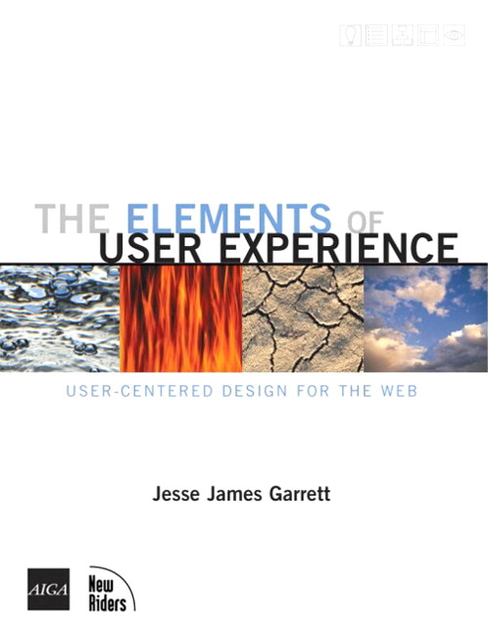
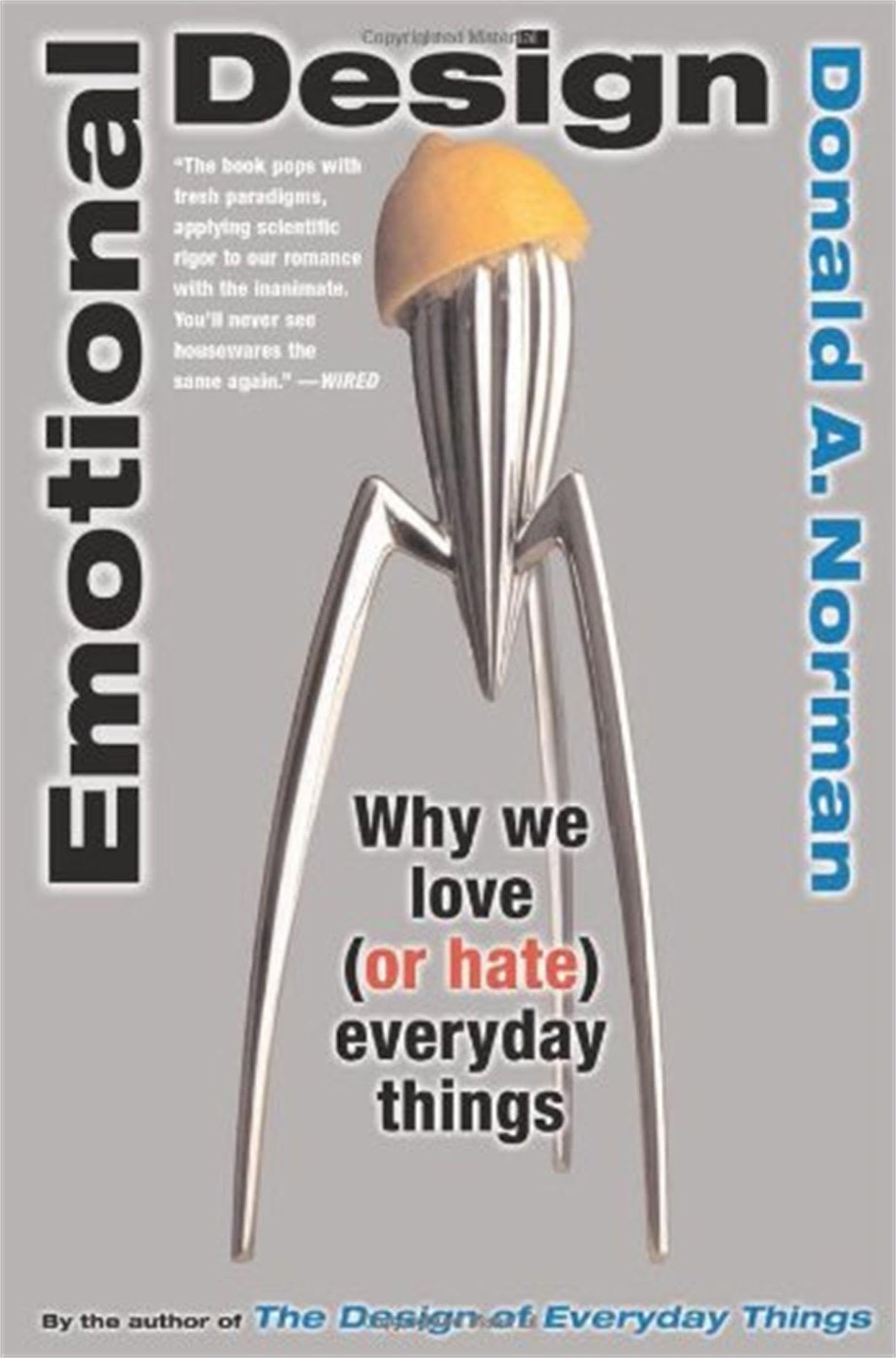
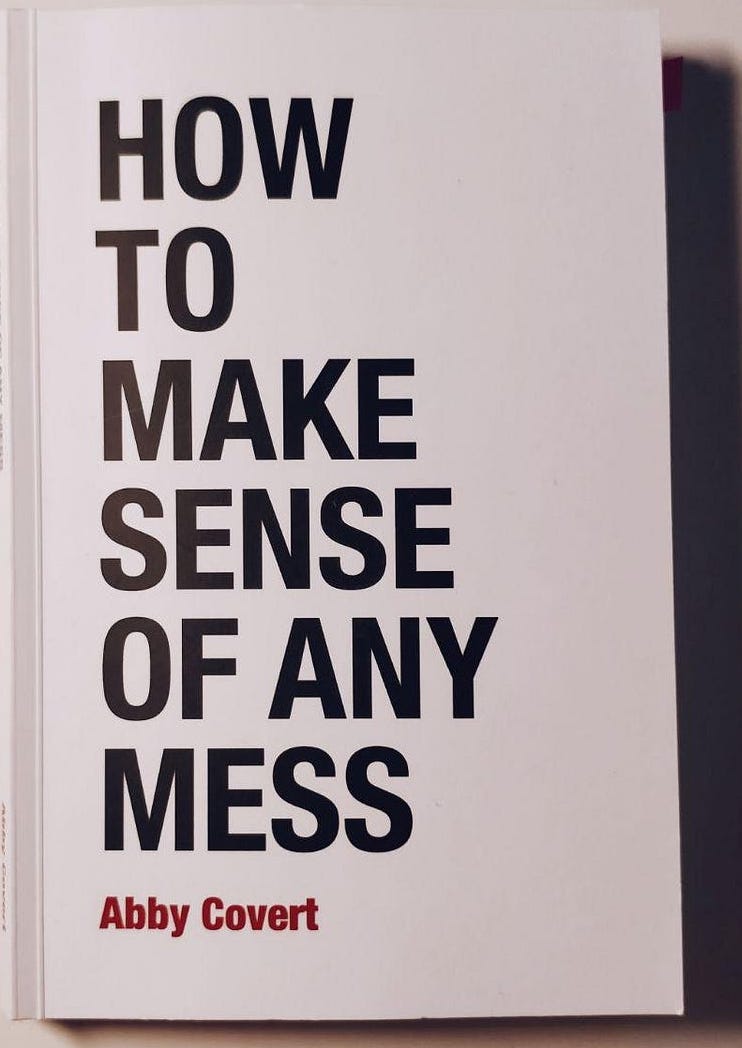
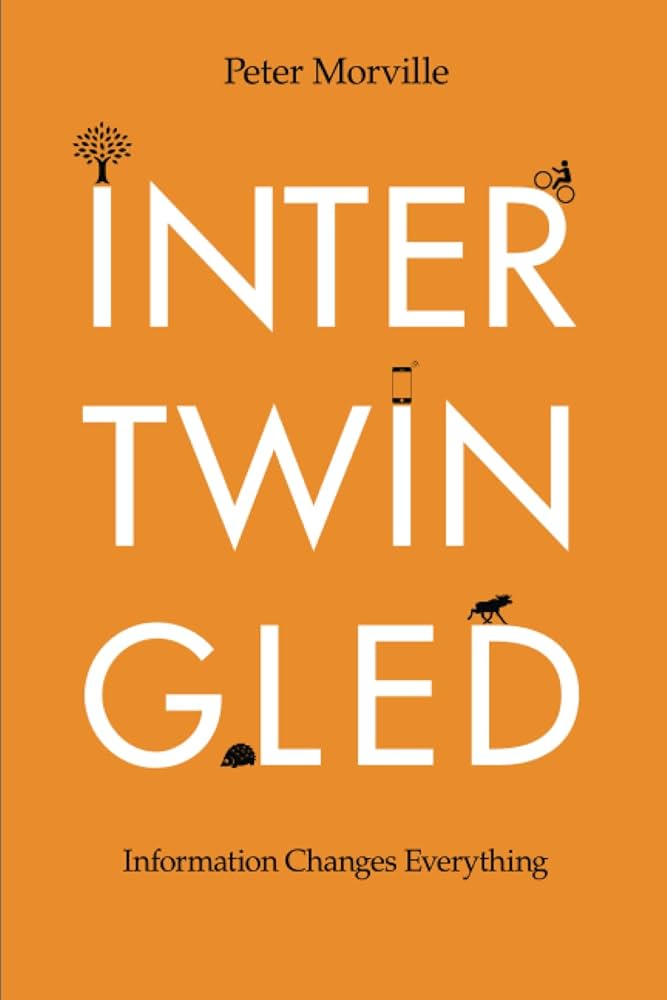
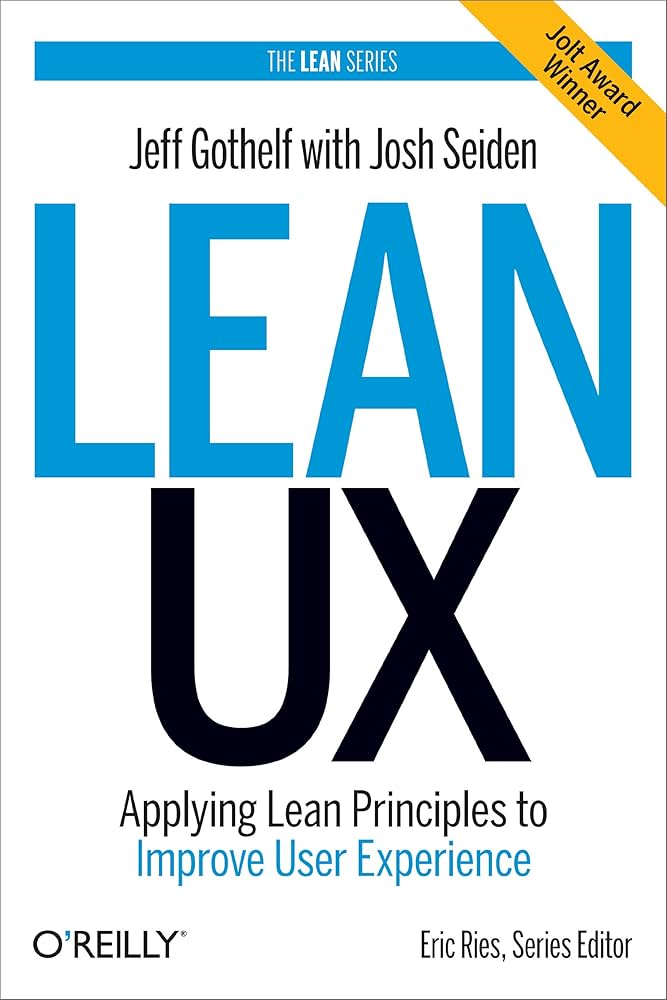
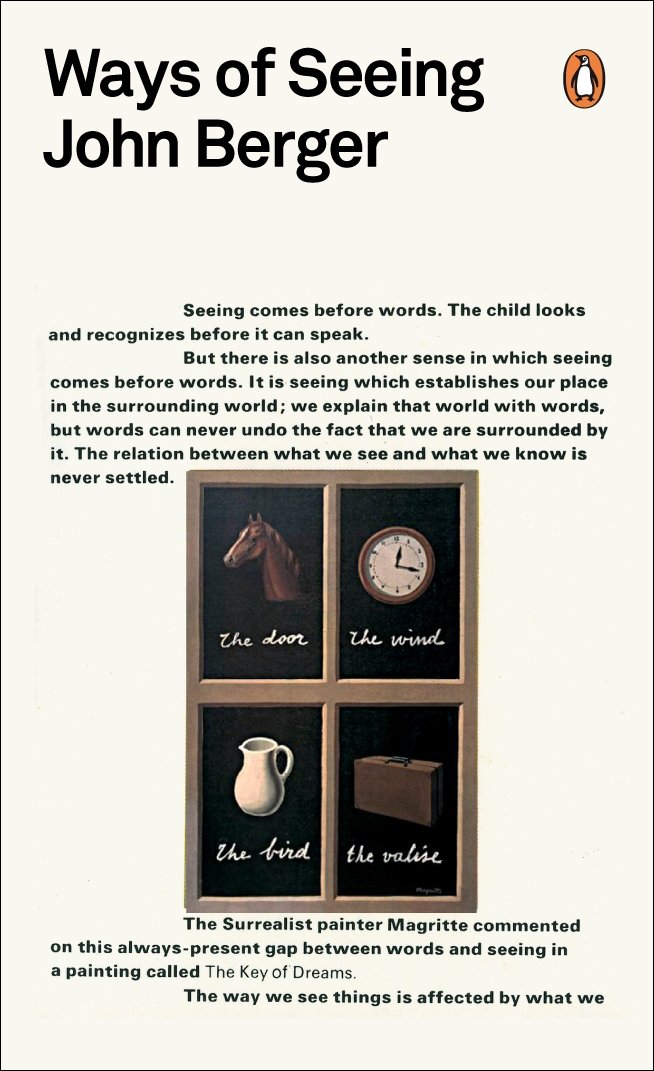
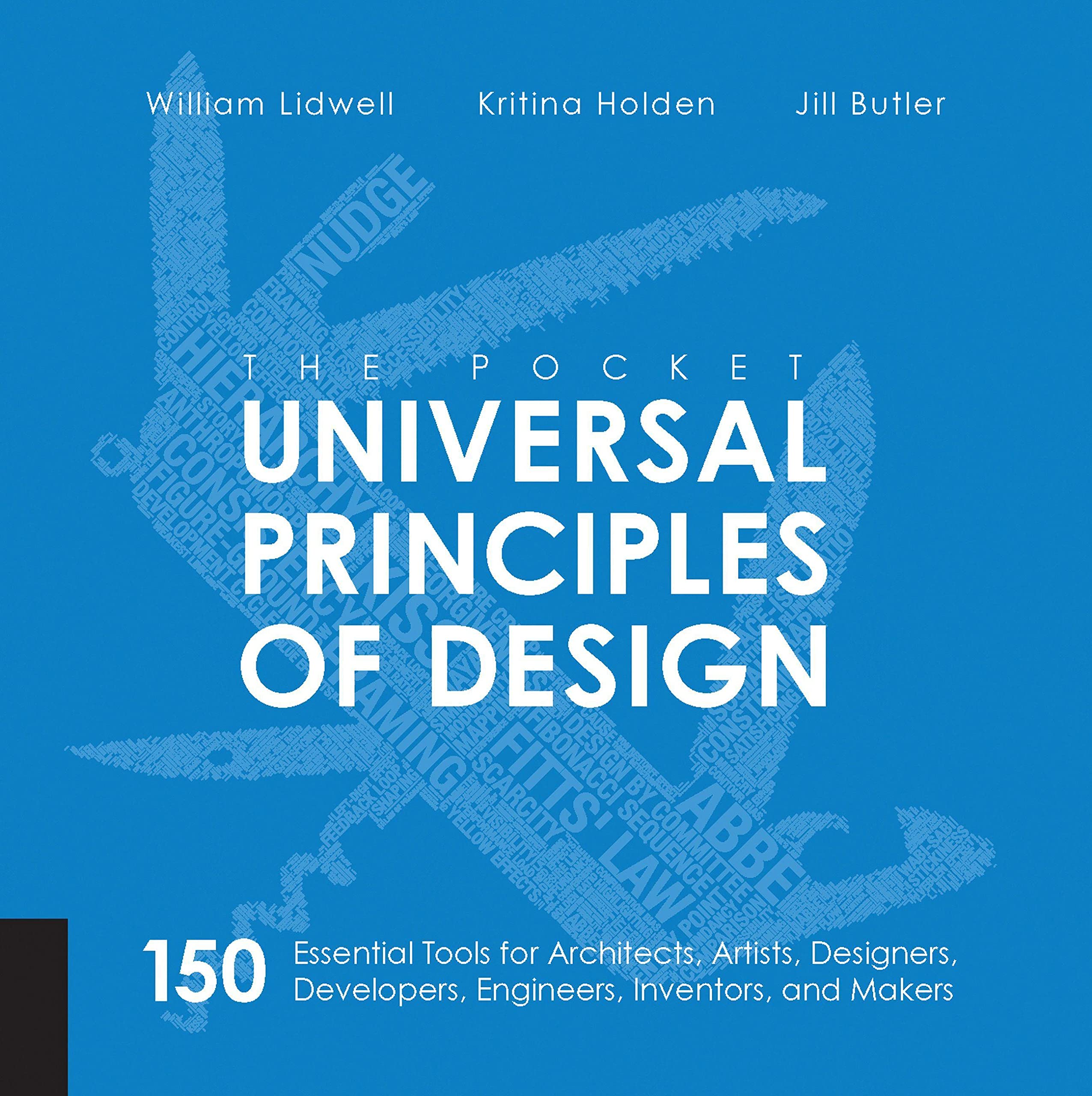
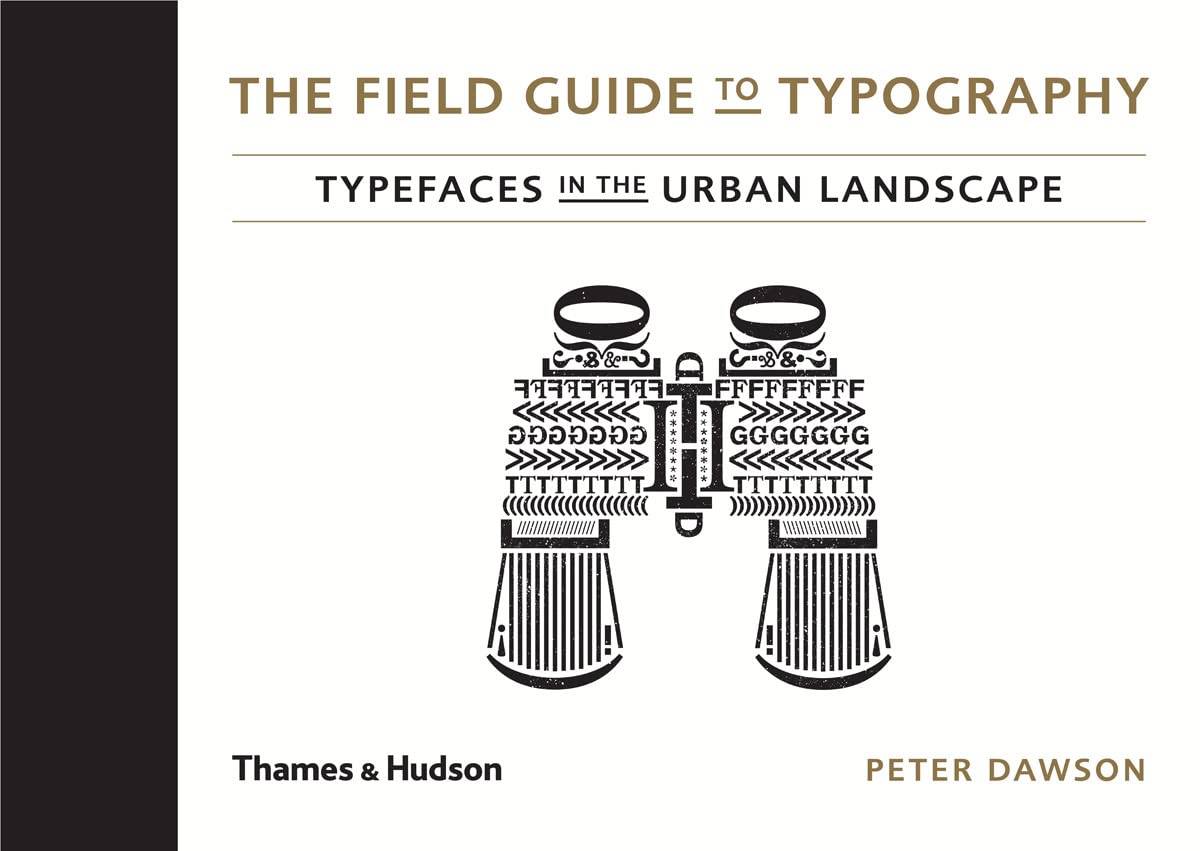
This section came mostly by accident and intuition, but it’s probably the most important in terms of how to understand life in a practical sense. Never really one for design, I’d tried to study data science for machine learning as it was getting popular. The course wasn’t ready and so it was cancelled. The remaining choices were web development or UX design part time. I chose UXD and was introduced to this fascinating world of how to design experiences, objects and environments. Every book here is worth a read and would get anyone from zero to a good level of how and most importantly WHY you should create things.
“Conception cannot precede execution.” —Maurice Merleau-Ponty, Sense and Non-Sense (in Kit White - 101)

Science and Engineering
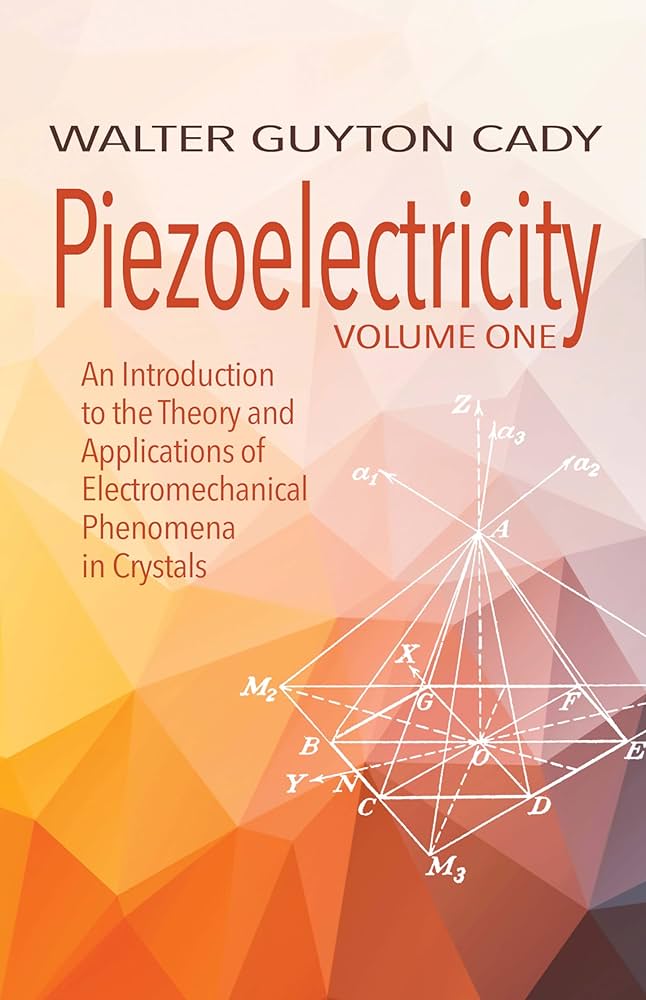
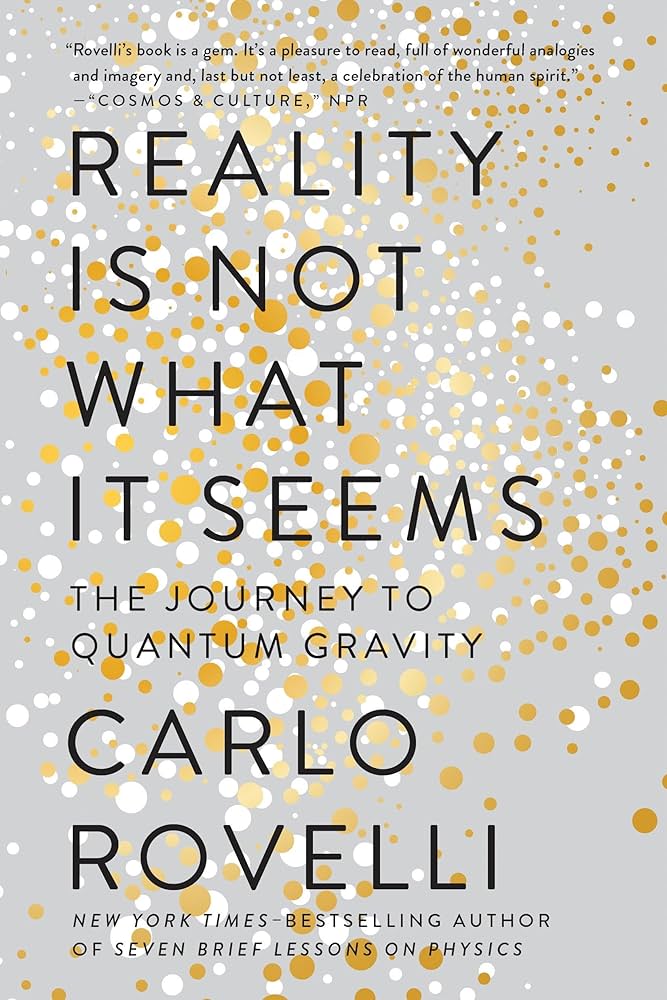
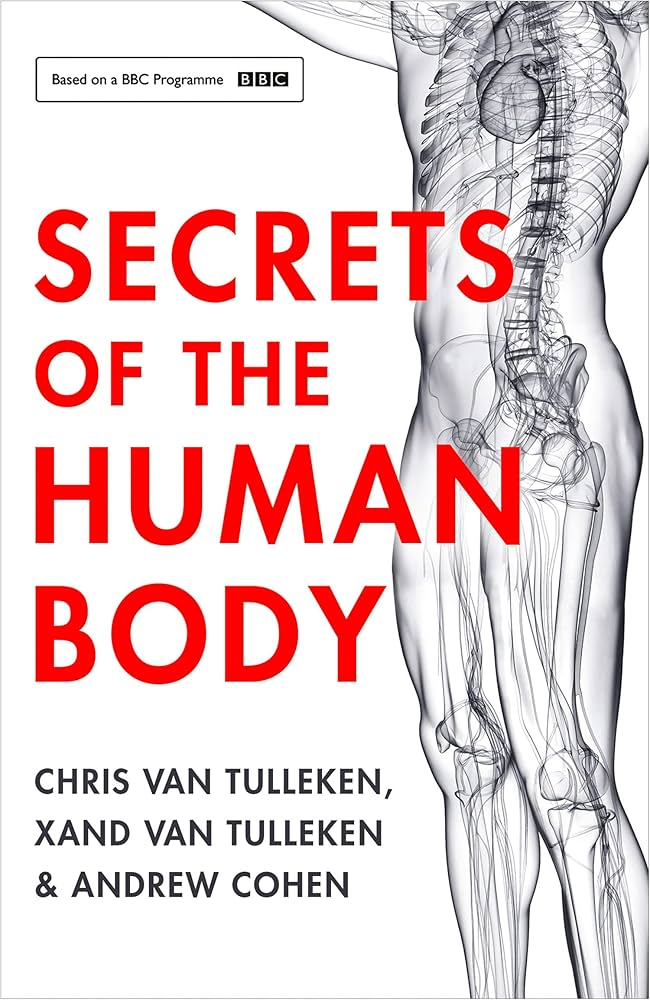
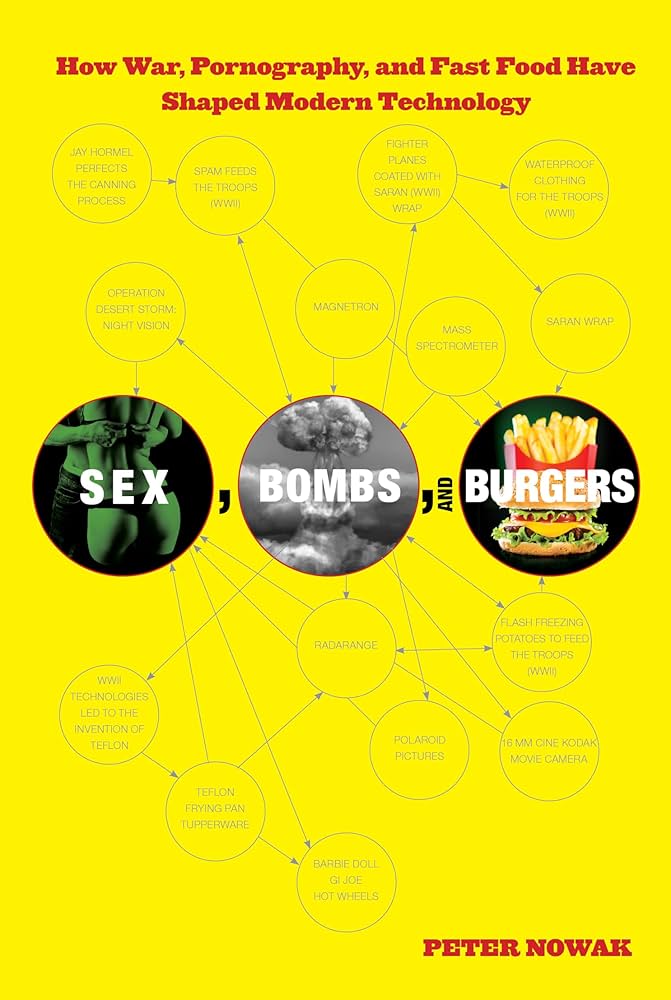
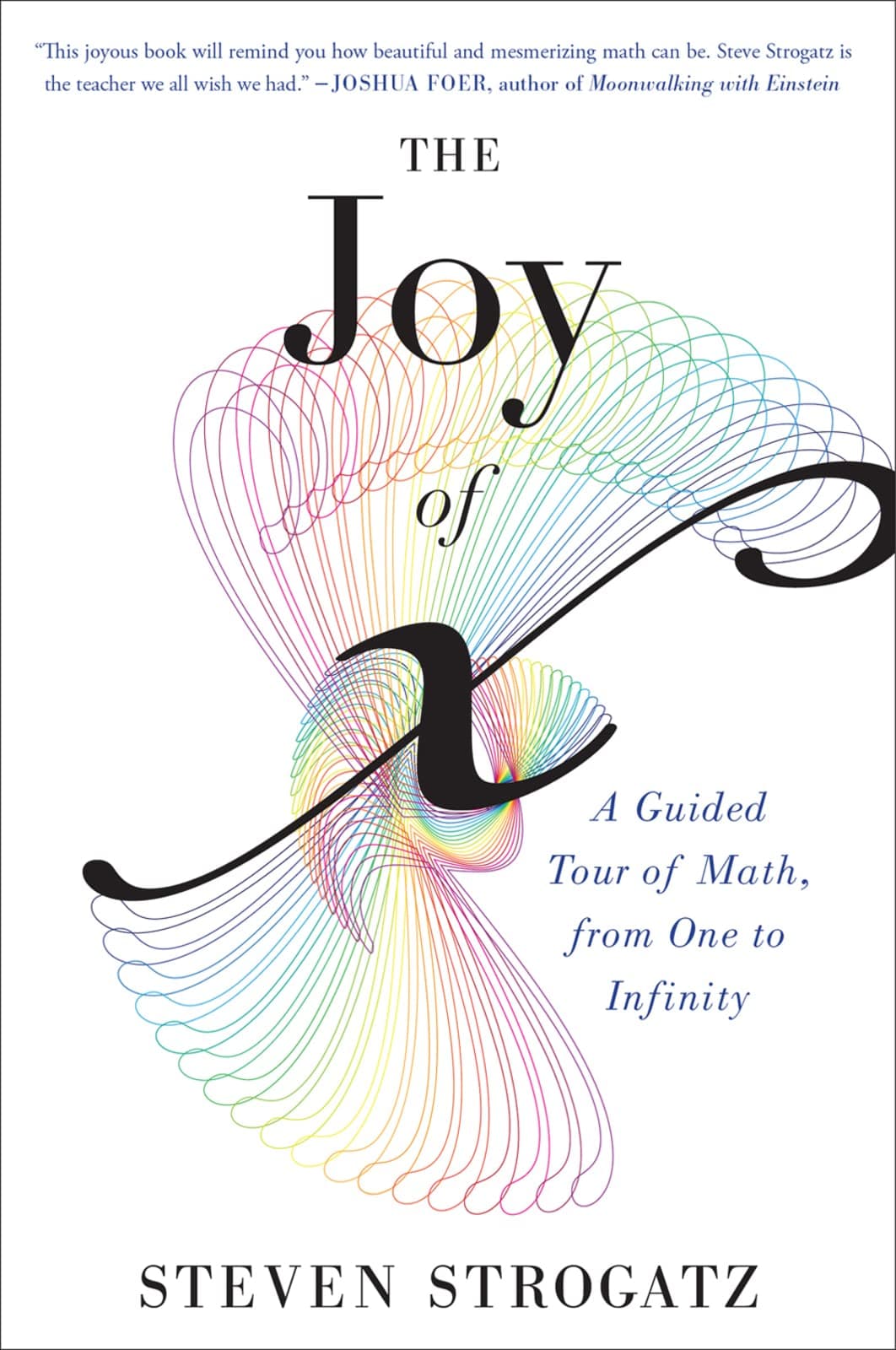
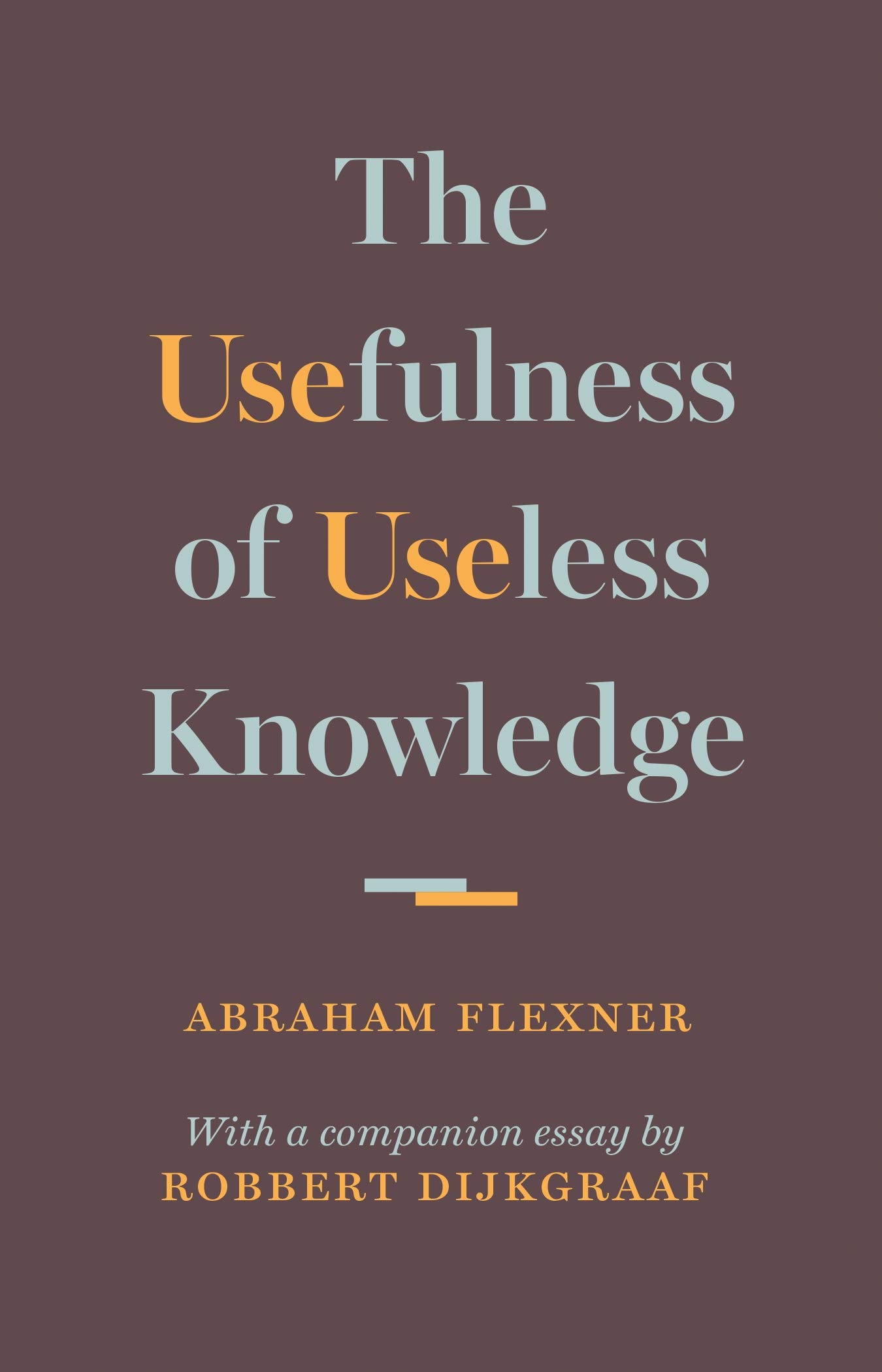
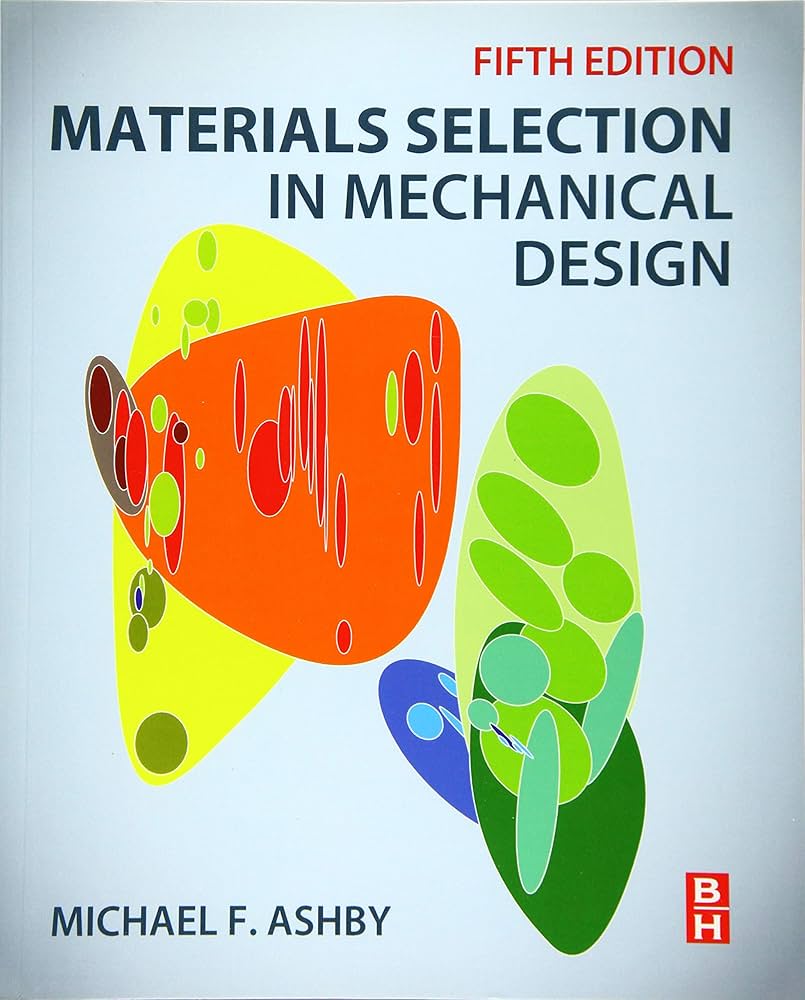
This section mixes the very accessible with the ever so slightly technical. It could and should be far longer, and in future I’d include a book on photonics and optics, but for now this seems like an interesting, accessible minimum. Materials, the human body, the nature of reality and how to do science in the Usefulness of Useless Knowledge seems like a good start. Sex, Bombs and Burgers is a ridiculously named and yet rather insightful look at how we, as tool makers externalise evolution. When a species evolves it shrinks in number (C.N 2006), which we tend to do in warfare before the corresponding baby booms. Our tools then evolve while on a physical level it takes us a little longer. Food for thought.
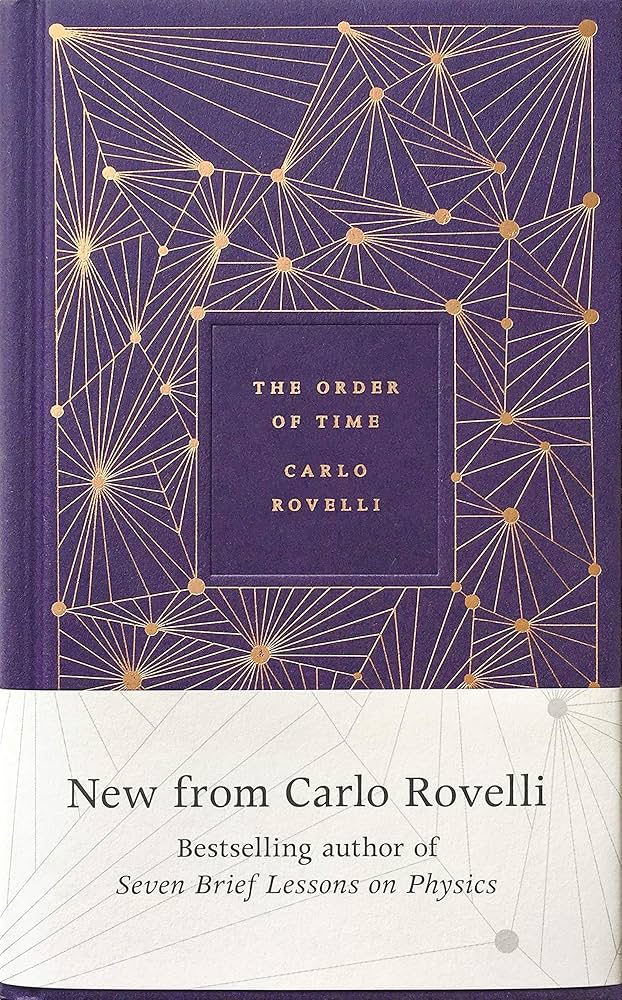
The same goes for Carlo Rovelli’s very accessible book on reality. I read it while working in an office in Brussels, not knowing that three years later I’d be working directly with photons. The ideas went from strange other worldy mind bending concepts to being things we needed to know to do our jobs, to make materials that could generate, move and manipulate light.
"Einstein worked in the Swiss Patent Office, dealing specifically with patents relating to the synchronisation of clocks at railway stations. It was probably there that it dawned on him: the problem of synchronising clocks was, ultimately, an insoluble one." - Rovelli - The Order Of Time

Business
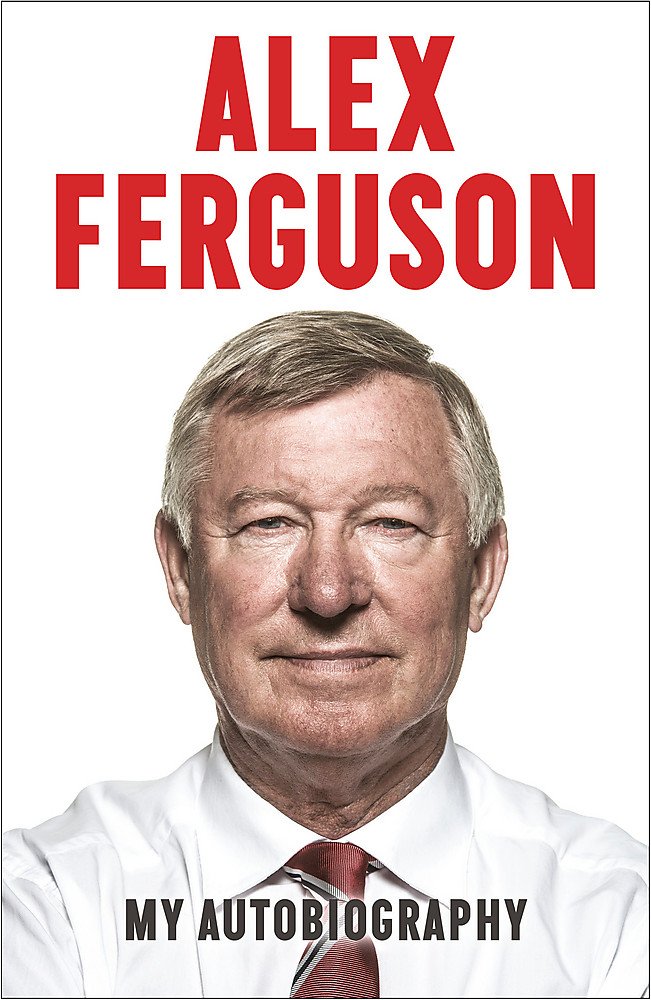
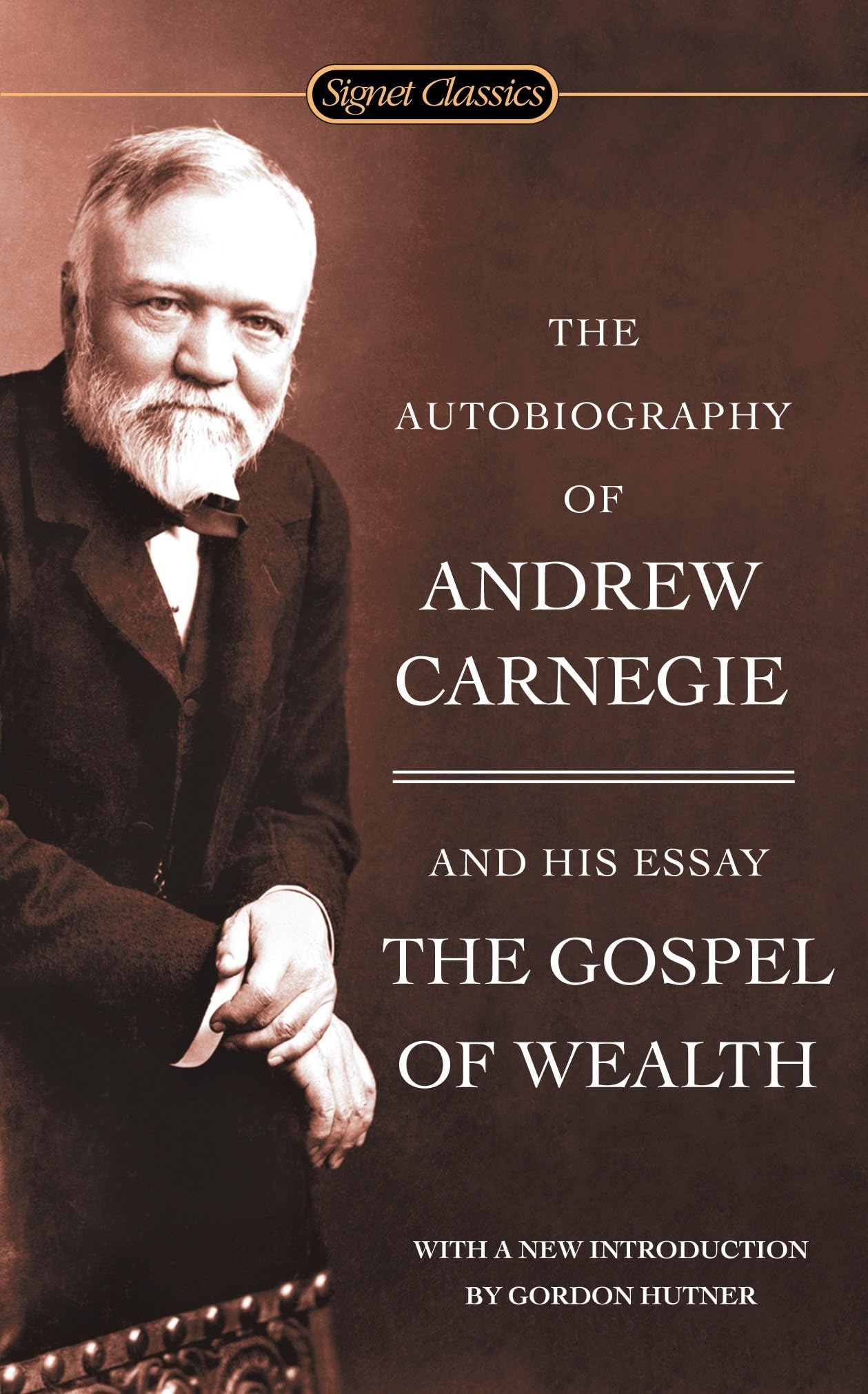
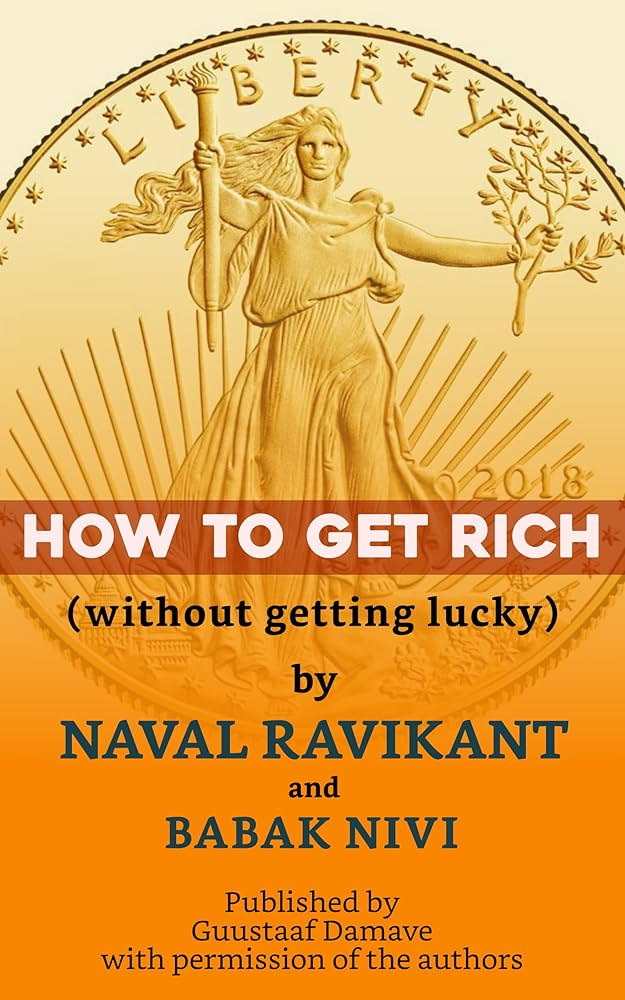
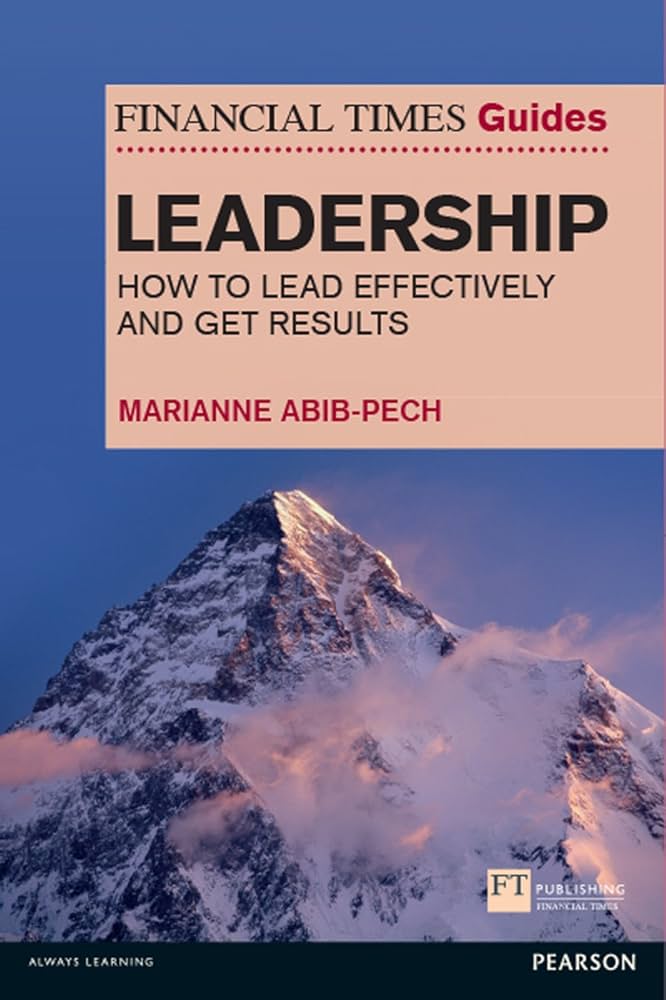
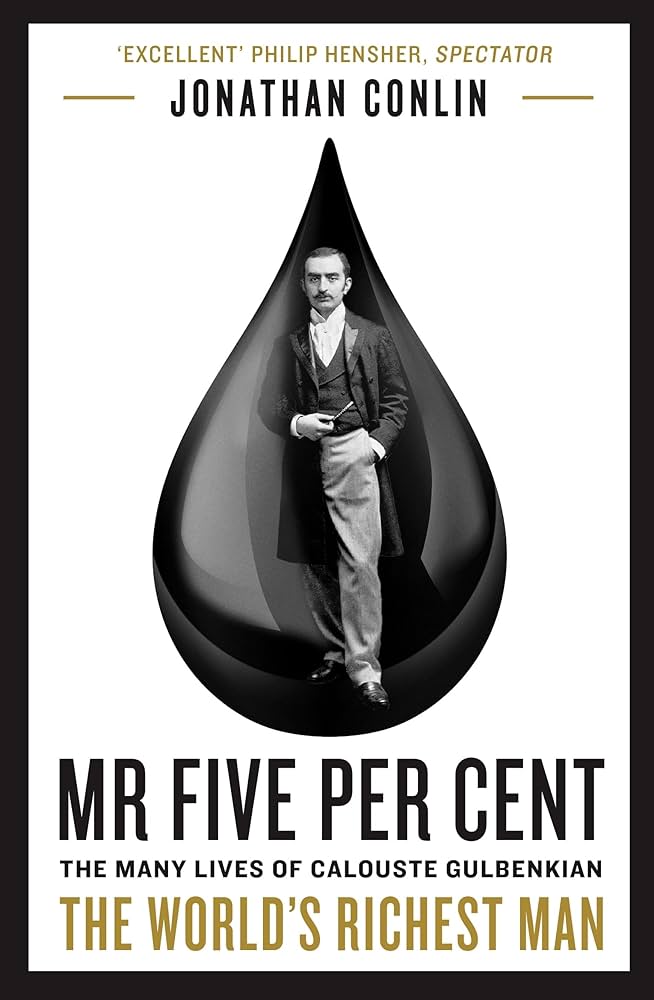
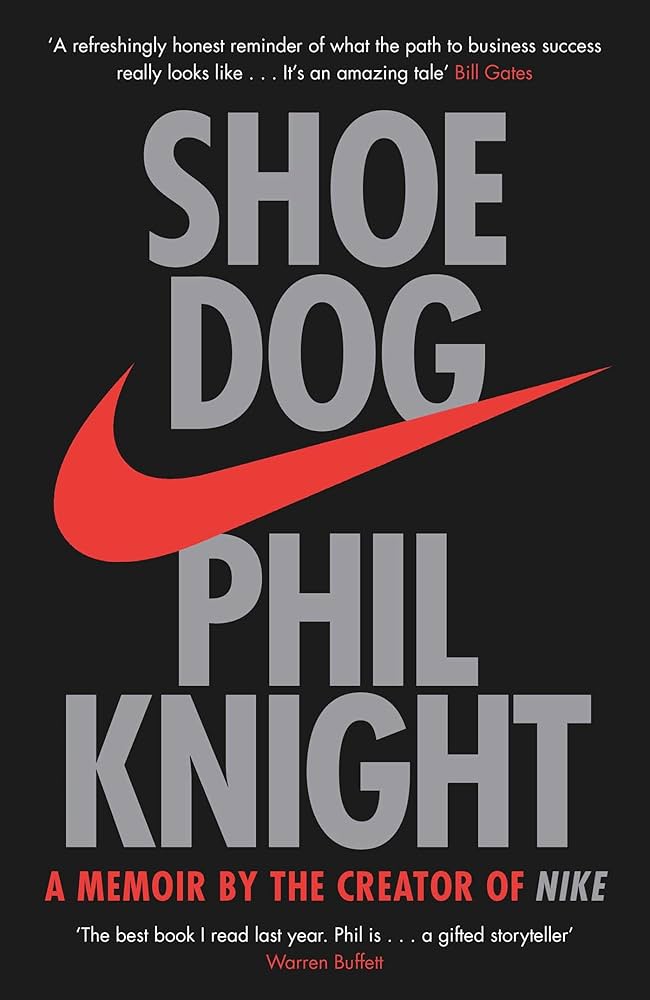
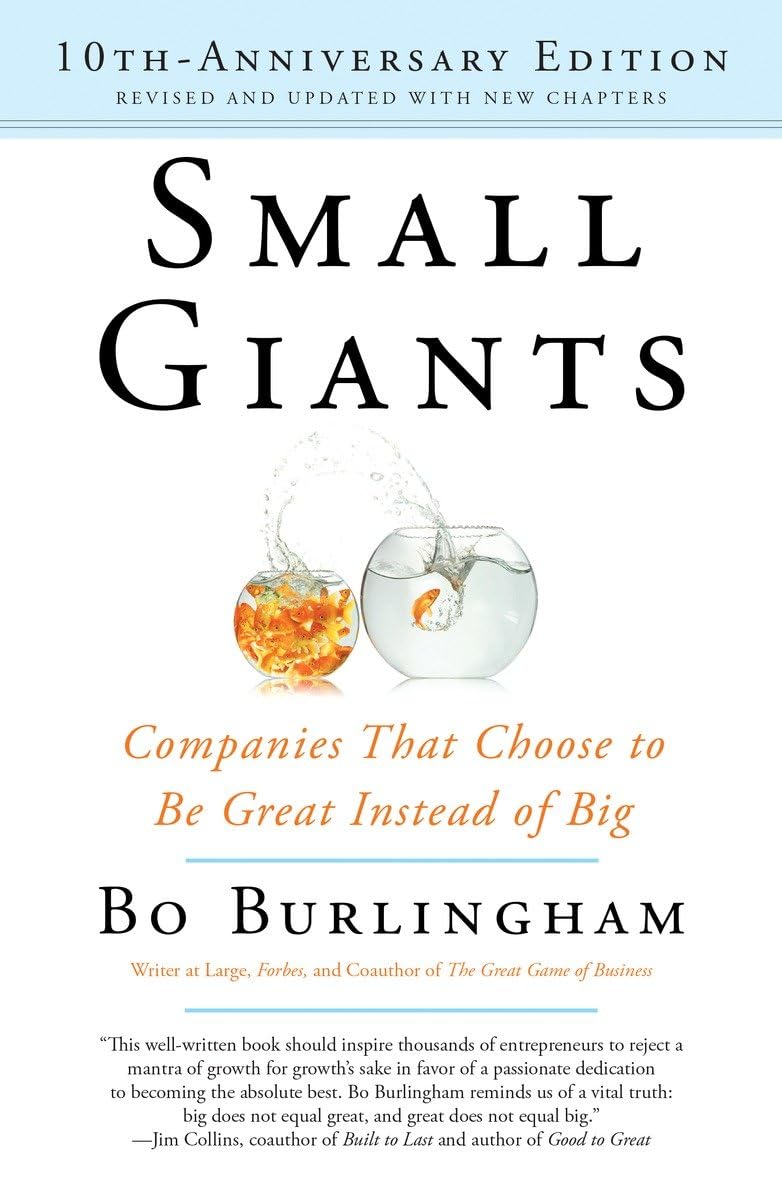
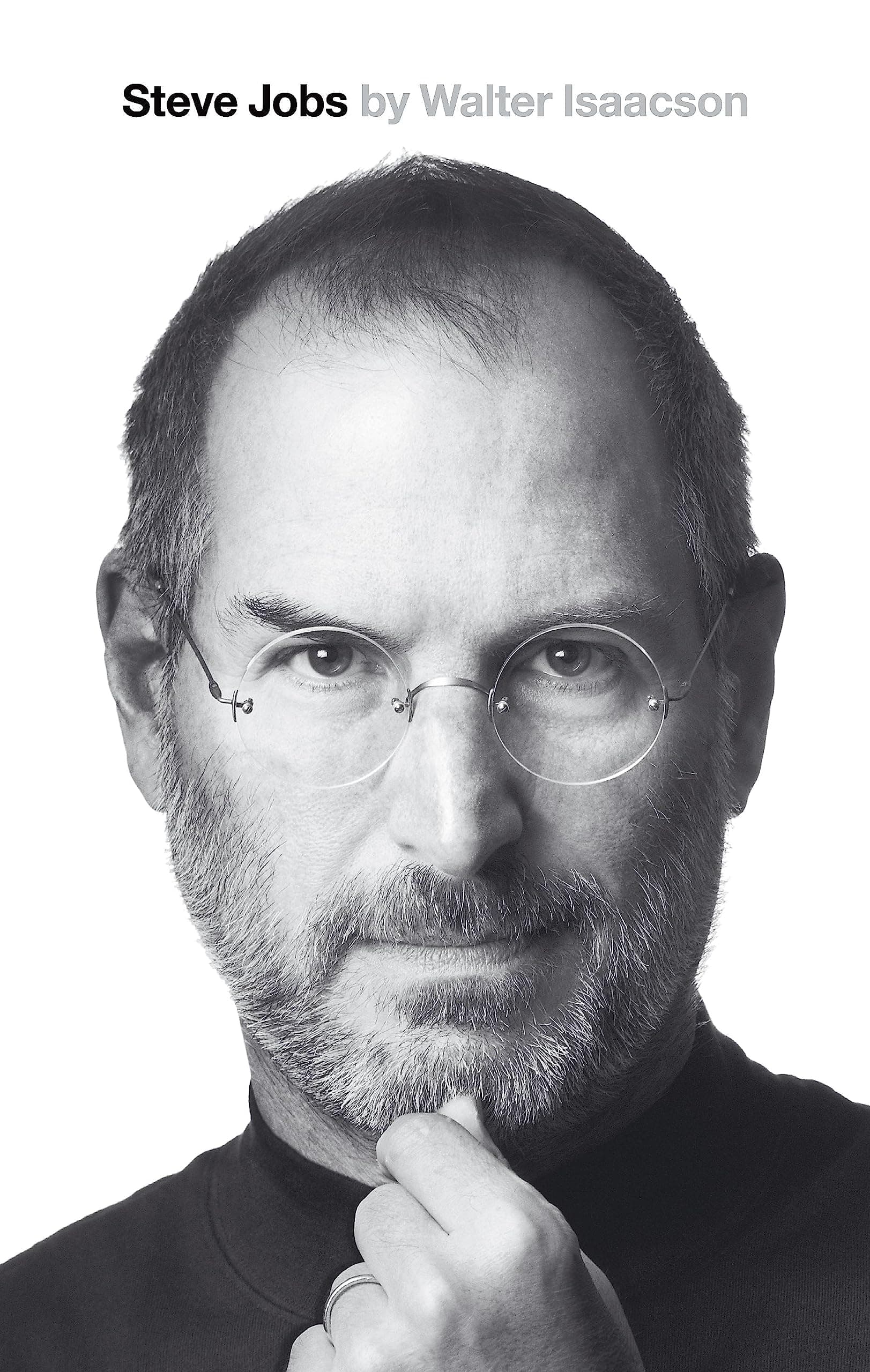
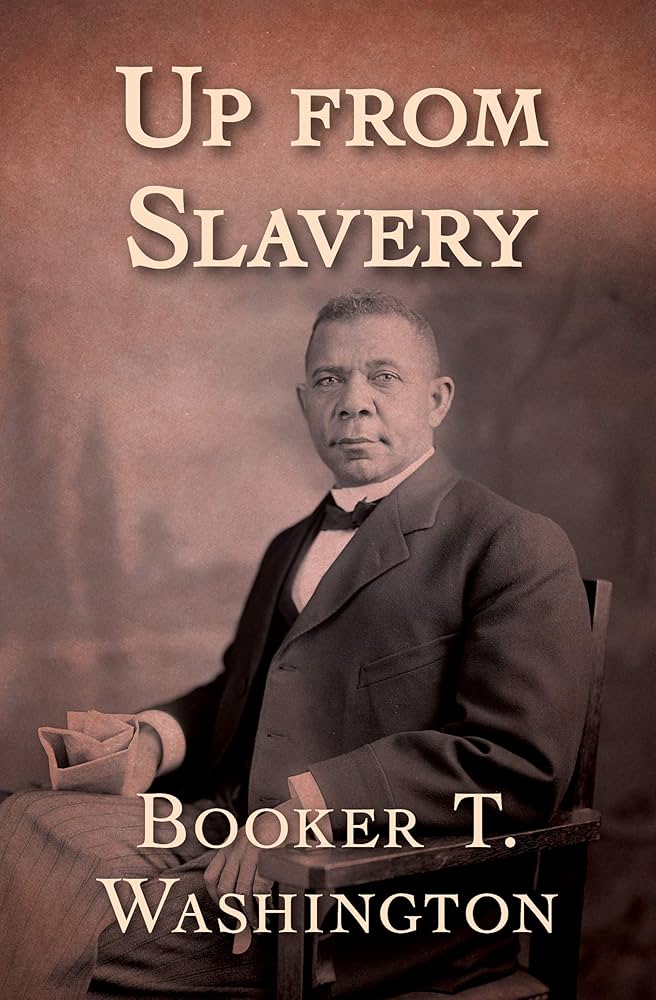
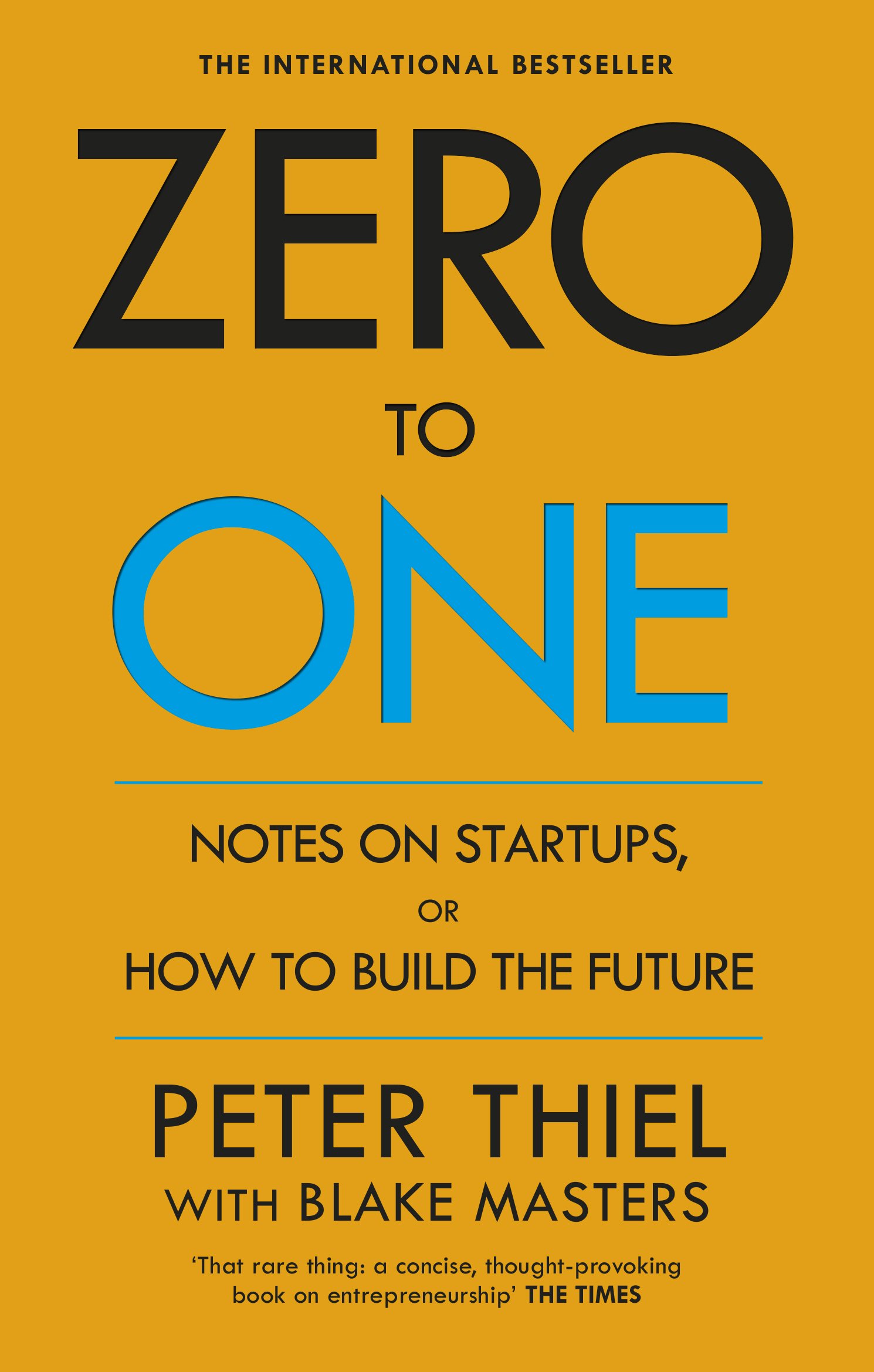
Business, the religion of our time. These books are mostly about truly brilliant individuals who so happen to have made it in the world of business by doing things differently and innovatively. A mixture of books covering the philosophy, how to and why of getting into and succeeding in business. From the point of view of creative craftspeople in Small Giants, creative innovators like Steve Jobs, dealmakers like Gulbenkian and great leaders in the case of Alex Ferguson and Booker T. Washington.
"If you don’t zero in on your bureaucracy every so often, you will naturally build in layers. You never set out to add bureaucracy. You just get it. Period. Without even knowing it. So you always have to be looking to eliminate it." - From Sam Walton - Made In America


Fiction
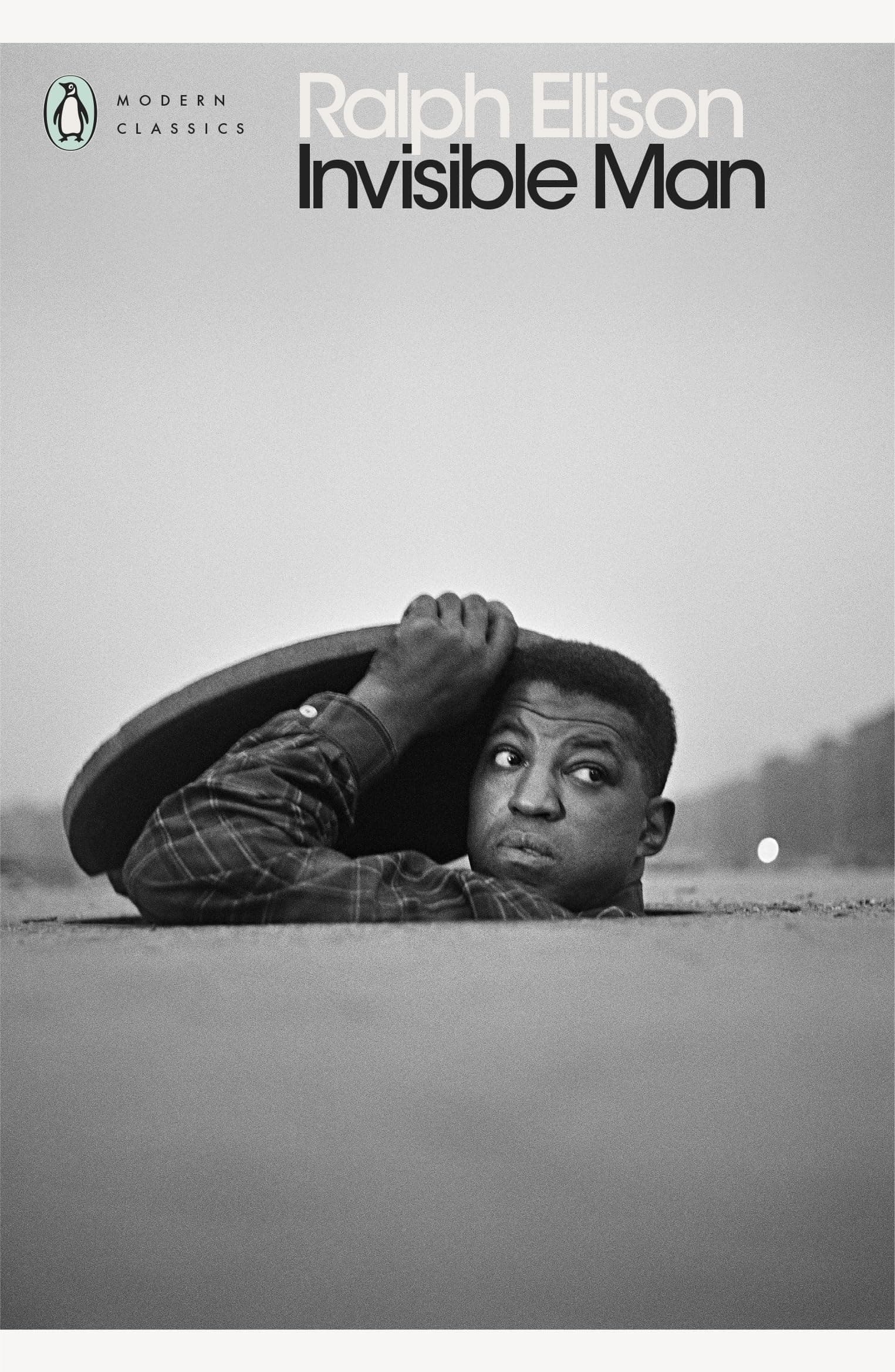
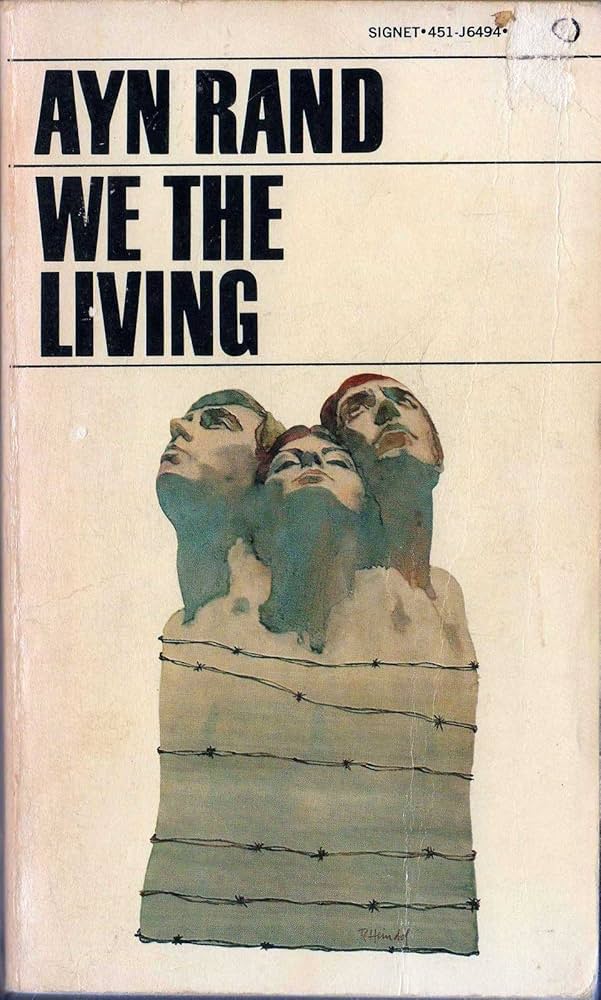
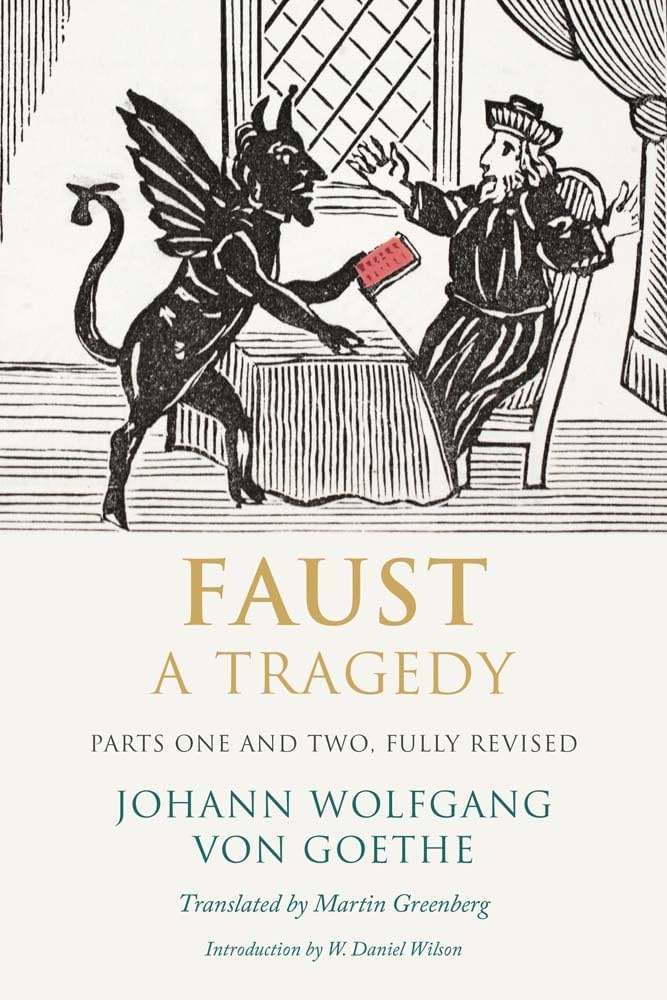
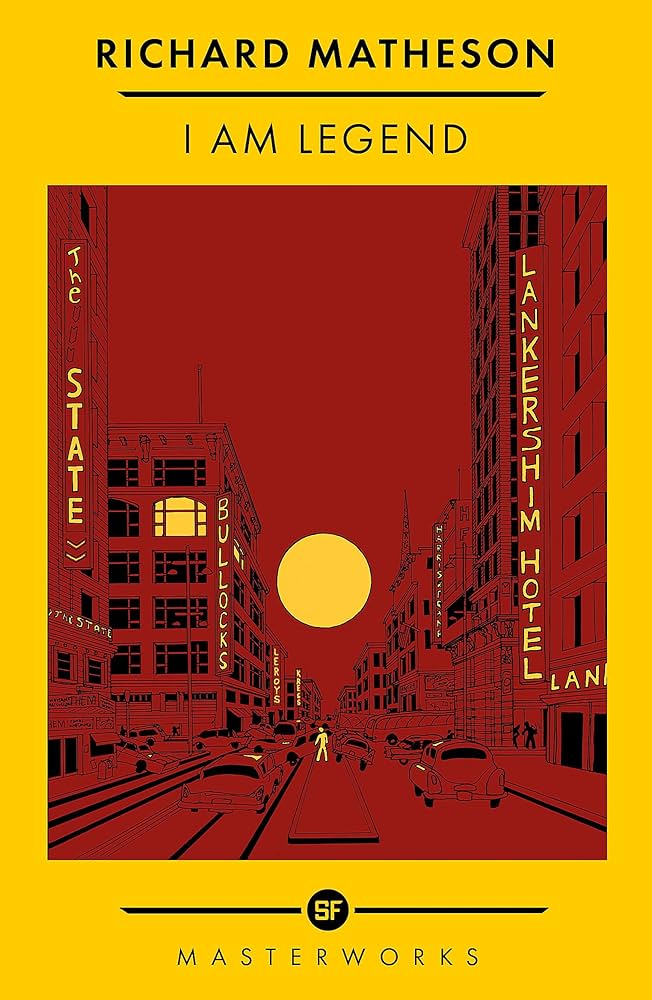
Last but not least, fiction. One of the most important ways to consume literature for the positive effects it has on exercising theory of mind. It’s the best way to access strange and esoteric ideas about society, philosophy, religion and science. Best of all its a place we can explore the beauty of language, not having to be to brief, or to verbose unless it really brings something to the writing. Just like all of the other short sections above, this could be a very long list. It’s short because I think there is at least one book here that anyone could read to take an interesting journey into some other little world.
“What and how much had I lost by trying to do only what was expected of me instead of what I myself had wished to do?” Ralph Ellison, Invisible Man








Get In Touch
Have questions or comments about this content? Feel free to reach out.