Introduction
I come from a behavioural science background, started working in manufacturing and becoming curious about materials. Along the way I found radiotrophic mushrooms, my first insight into how different compounds are used in nature and how they are used. Later when I worked in a semiconductor foundry (computer chip factory) I took this further going down something of a rabbit hole as you can see down the page. I developed an interest in the accumulation of materials and structures in relation to sensing and cognition in various species. Below two images show the concentration of myelin in a human infant's brain. The difference in speed of conduction between unmyelinated axons (0.5-10m/s) and myelinated axons (150 m/s) is pretty large.
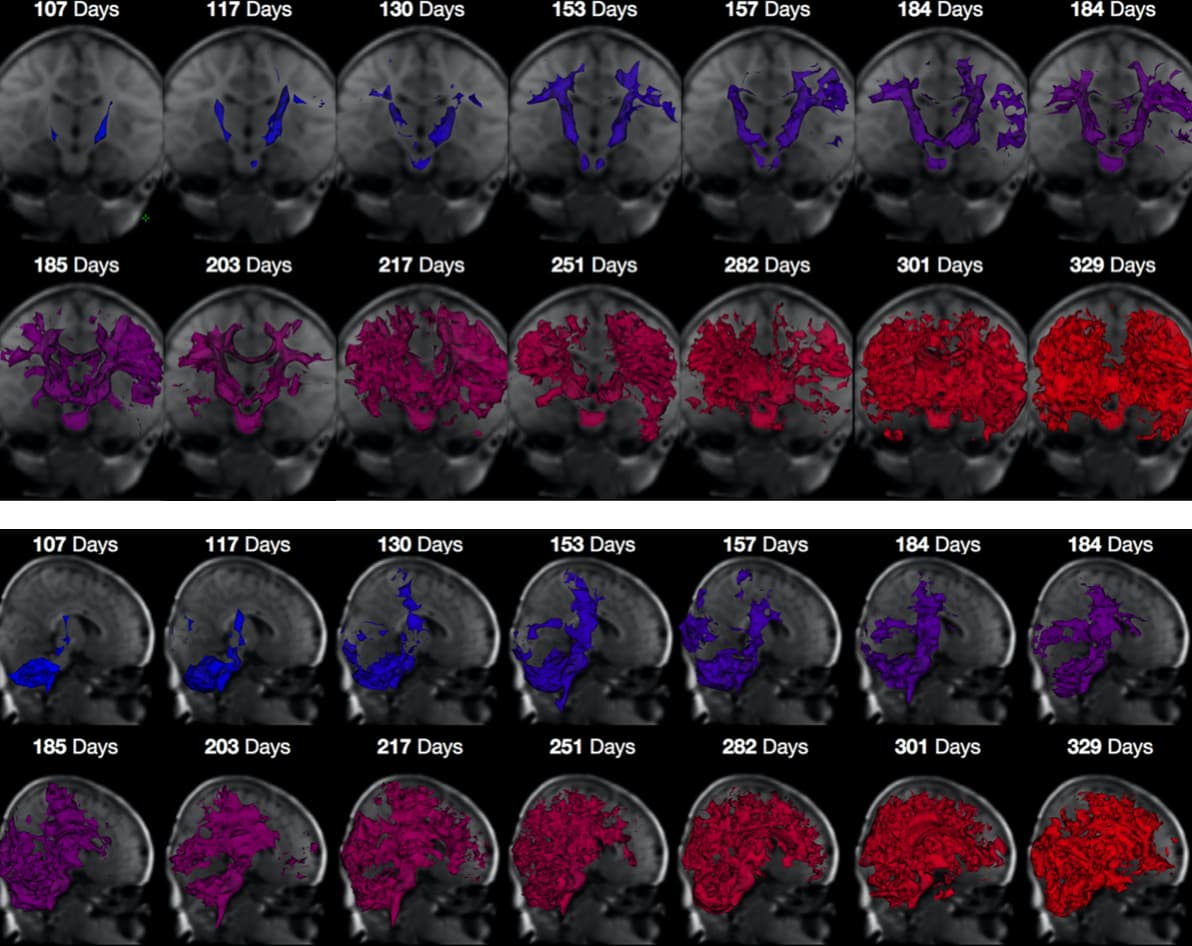
Timeline of myelination in the human brain
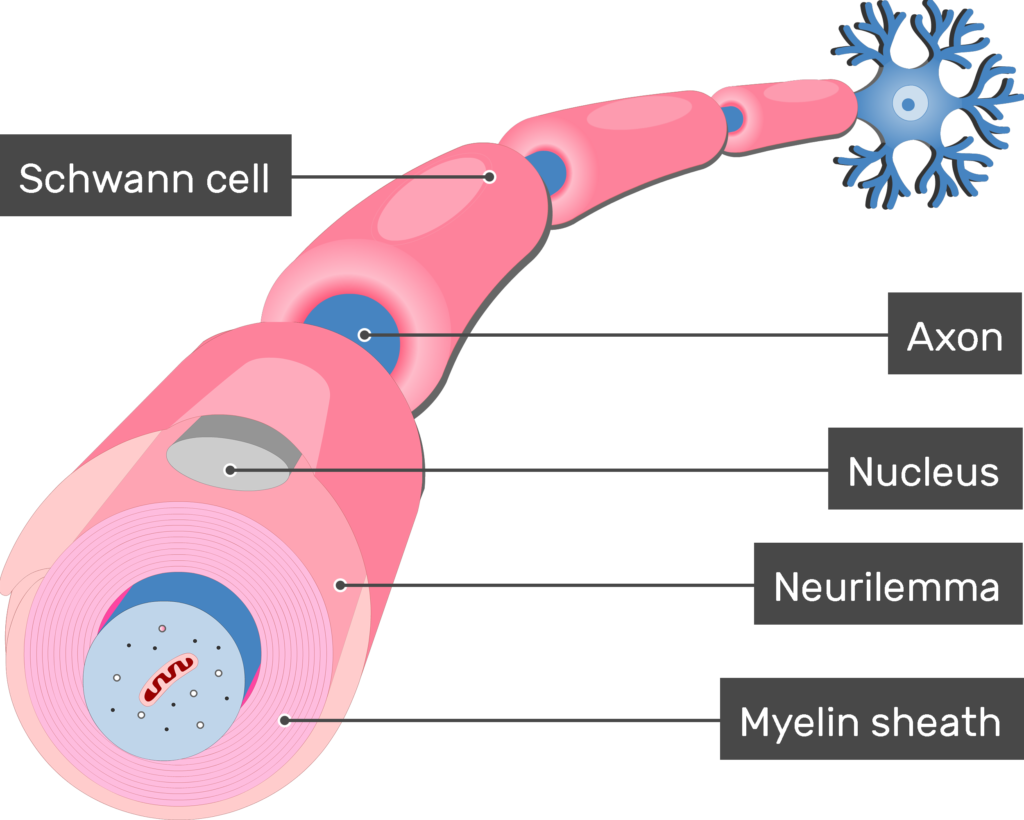
Diagram of a myelinated axon in the brain
When the materials break down
The above shows the acquisition of myelin, which tracks with neuromelanin in the dopaminergic neurons of the Substantia Nigra. This concentration of materials coinscides with the developmental phase at which children report gaining consciousness, understanding the concept of 'I', or realising they are me. As well as increase coordination. Conversely the loss of these materials in Parkinson’s disease is correlated with a loss of coordination and a loss of sense of self. Disintegration of the individual. There are other diseases that cause the loss of the brains other main information processing tissue, namely Multiple sclerosis (MS) which is the most common demyelinating disease of the central nervous system and comes with fatigue at best, and at worst severe cognitive impairments affecting coordination, mobility and bladder and bowel control.
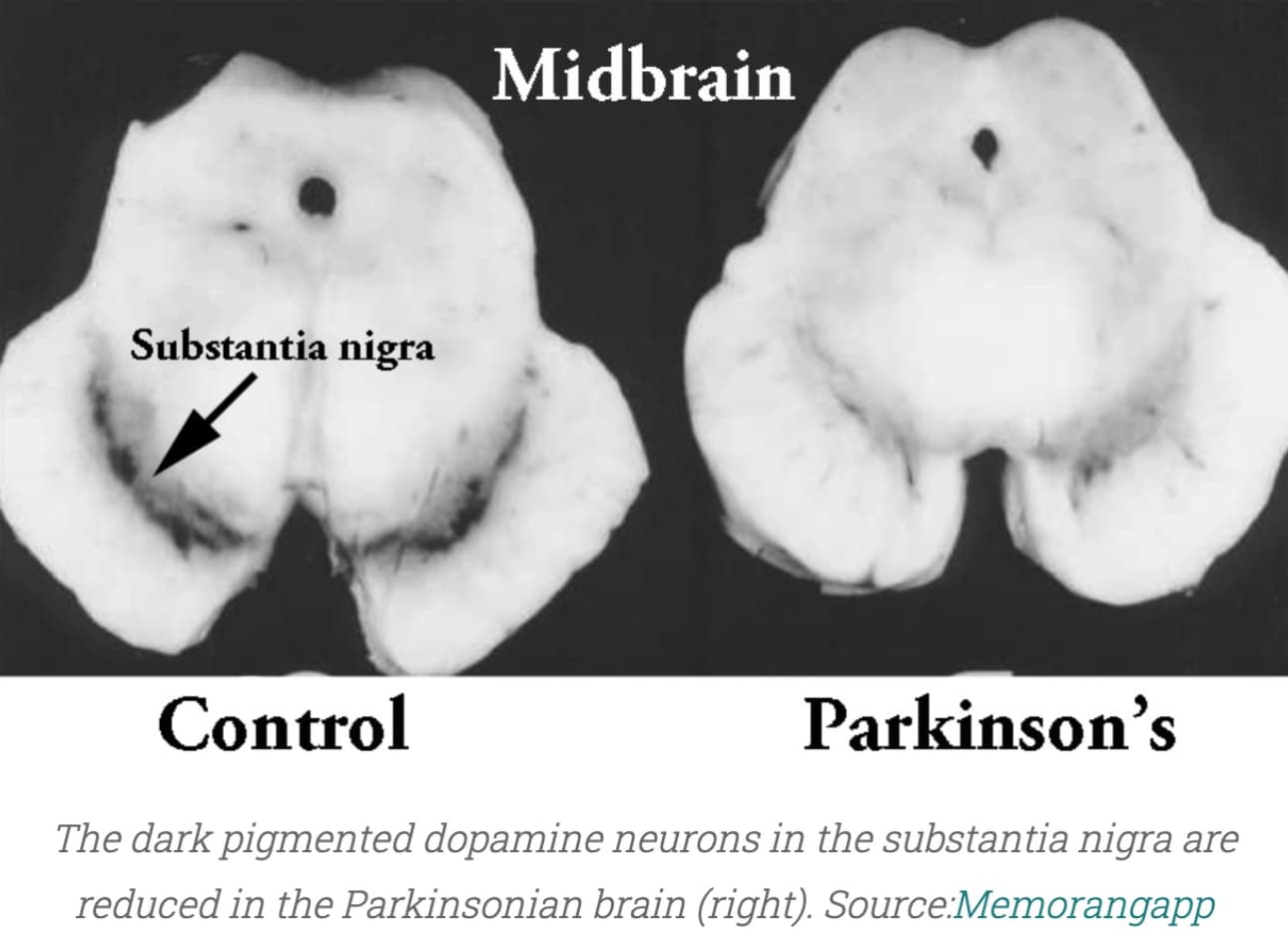
Loss of magnetite containing dopaminergic neurons in the brain
Specific types
Magnetite is the most magnetic form of iron, and the type seen in the human brain is made specifically for the brain, differing in makeup to bacterial magnetite and exogenous magnetite that is taken into the brain from outside sources like pollution in the city. This ability of melanin to chelate metals to protect organisms is seen across the natural world. Some snakes living in toxic environments use it in their skin to bind metals, giving them darker spots and a propensity to shed their skin more often to rid themselves of metal and toxins. In the brain, the magnetosomes can be trapped but not expelled or processed according to the research.
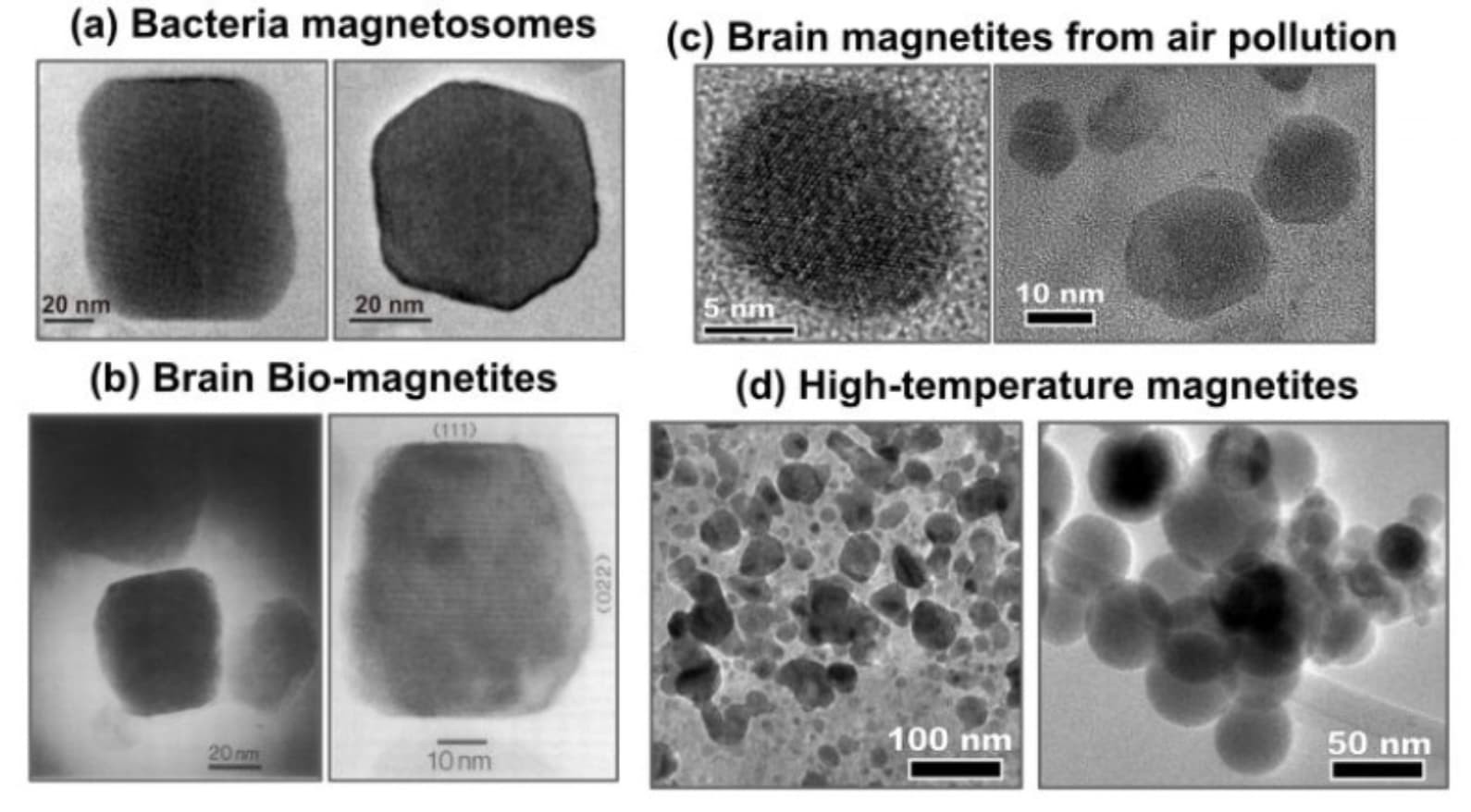
Different types of magnetite seen in organisms and in the environment
Special Features
A further point of interest is that these magnetosomes are aligned in such a way that their magnetic moments are in alignment. Additionally, they have a coating which stops them from oxidising as iron does. So they are purpose made, and there are behavioural correlations with concentration, but there's still no agreement on their function. That is despite the best efforts of integrated information theory over the years.
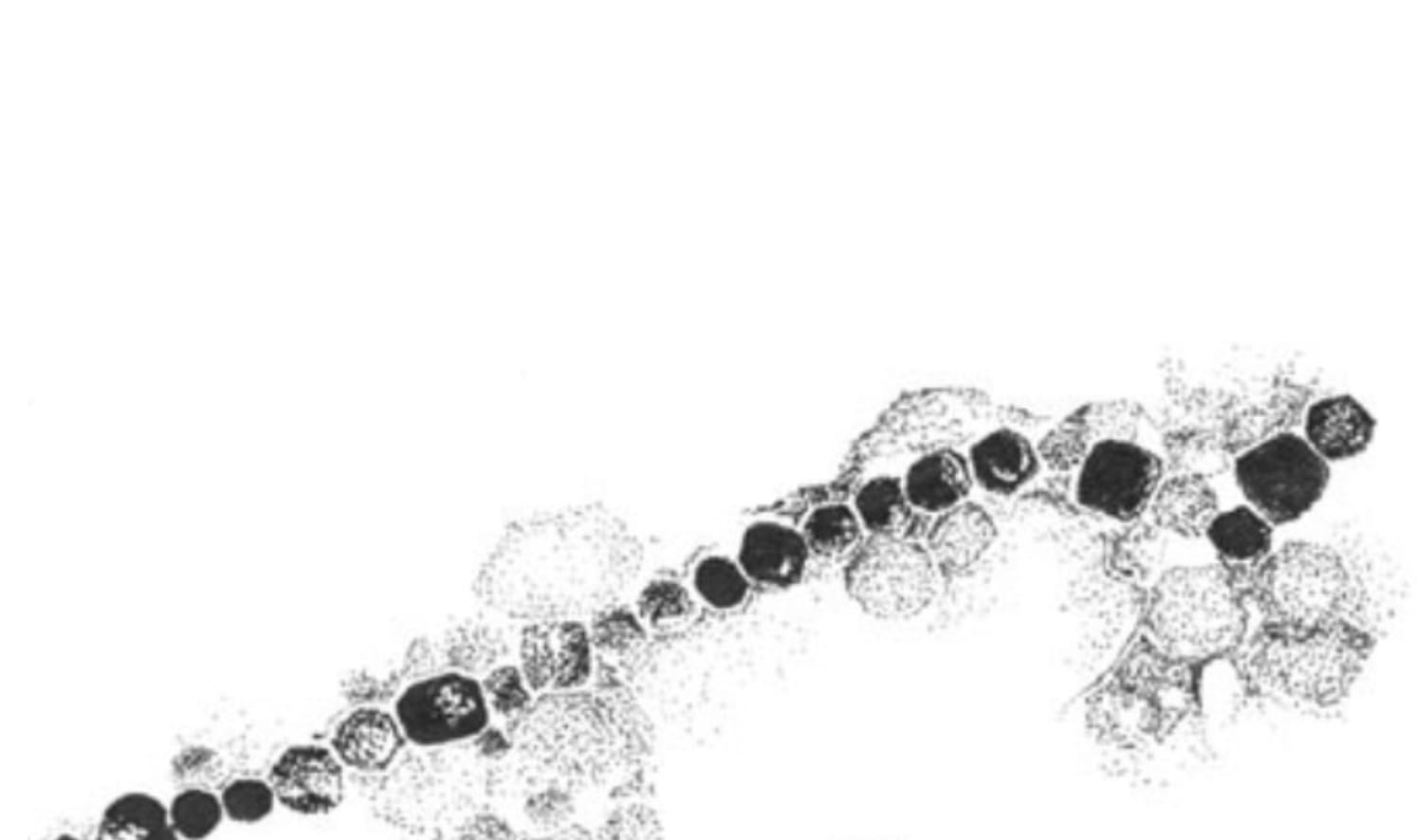
A chain of biogenic magnetosomes
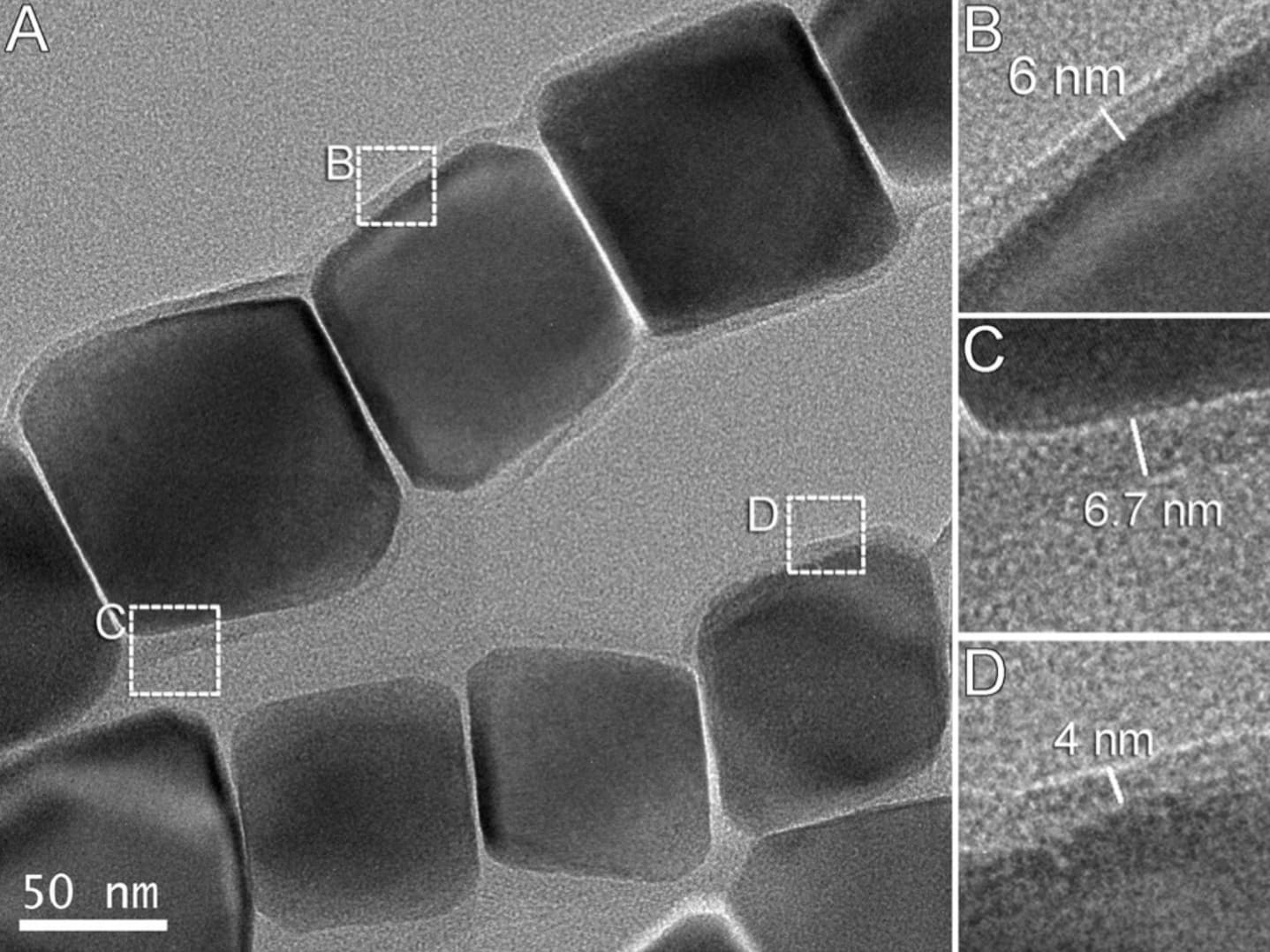
Magnetosomes surrounded by a membrame to prevent oxidation of the iron
Thinking Machines
Much of my insight was gained working in a semiconductor factory. Rather than normal electronic chips made from silicon, we used indium phosphide to make photonic chips. Chips that can generate light, for slightly different application, including quantum applications. It was learning the difference in materials that got me thinking more about the brain and other tissues for thinking, sensing and doing things in nature. Silicon is used in electronics because it’s a good conductor and an excellent insulator whose ability to move electrons around improves as it gets hotter, which it does during operation. It cannot generate light unless it's layered with another material, whereas indium phosphide does generate light. Where silicon has miniature electronic circuits, InP has miniature lasers on chip, allowing for brand new applications.
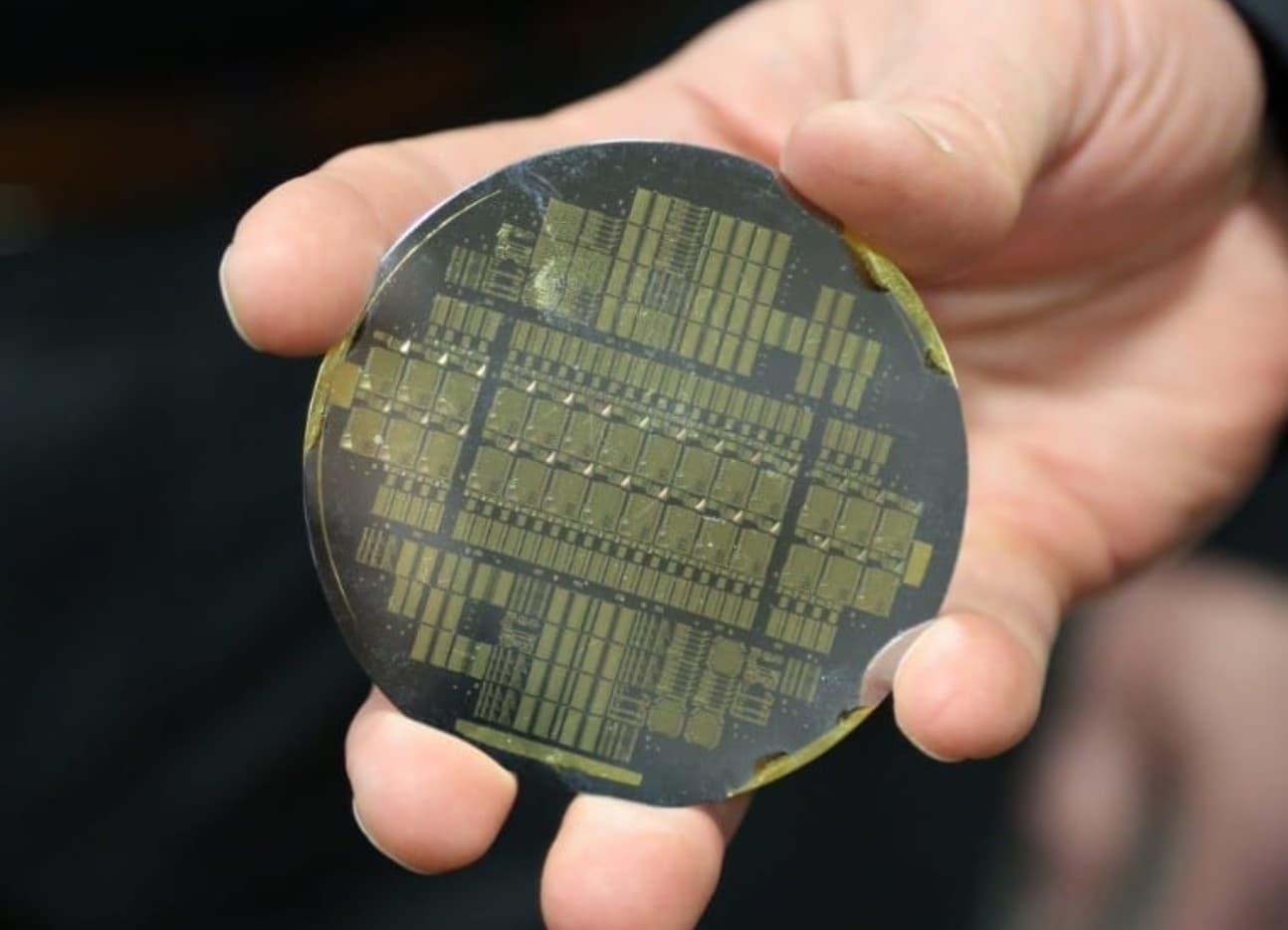
photonic chips on an undiced indium phosphide wafer
Subjects of study, courses and topics
Courses
Sciences
2022 - Introduction to Optics - MIT
2022: Quantum Detectors - Edx/Purdue
2020-2021 - Physiology - EdX
2020: Photonic Integrated Circuits 1 - MITx/Edx
2020: Active Optical Devices - Coursera
Others (Coursera)
Circadian clocks: how rhythms structure life Ludwig-Maximilians-Universität München (LMU) Grade Achieved: 88.63%
Dog Emotion and Cognition Duke University Grade Achieved: 95.86%
Understanding child development: from synapse to society Utrecht University Grade Achieved: 91.66%
Subjects in Alphabetical Order
2020-2022: Biology, behavioural biomarkers and physics - Self taught (See below) Subjects learned over 3500+ research papers, books and Youtube.
Adipose Tissue, Ammonia, Anemia, Animal biology insect olfactory receptors, Animal biology Lizard estrus cycles, Animal biology magneto reception in birds, Animal biology natural semiconductor gel in shark electroreception, Animal biology Octopressin (Oxytocin analogue for Cephalopods/octopus), Animal biology sexual violence across the animal kingdom, Animal biology Turtle sex chromosomes, Animal biology Ultra Violet vision in birds, Animal biology warfare in primates (Chimpanzees), Antiphospholipid syndrome, ASD and brain hyperconnectivity, ASD and immigration ‘Flight from safety’, ASD cardiovascular system articles, ASD genes and m Tor, ASD task switching, Autoimmunity and race, Autonomic function Heart rate variability, Autophagy, Autophagy and senescence, Bacteria and brain talk 2 Crosstalk between microbiome and brain, BEND3 genes, Beryllium, Bile acid synthesis, Biomagnetite in plants, Biophotons, Blood viscosity in infectious diseases, Brain cerebellar mass, Brain Iron deficiency, Calcium and OXT metabolism Calcium OXT metabolism, Calcium and OXT metabolism Calcium regulation, Calcium signalling and gene expression, Cancer Cancer as a metabolic disease, Cancer Cancer Melanocyte development, Cancer Cancer Mitochondrial connection, Cancer Cancer Shared gene with ASD Smooth muscle pathways??, Cell membranes and lipids, Cells, Cellular communication, Central tegmental tract Central tegmental tract and Dopamine, Central tegmental tract Central tegmental tract and OXT, Cerebellum granule cells, Cerebral Hypoxia, Cholesterol, Chromatin, Cilia and ciliated neurons Mammalian Cilia, Cilia and ciliated neurons Plant cilia
Circadian rhythms, Cortisol and vasopressin, Covid and the microbiome, Crab melanin response, Dementia and the Kynurenine pathway, Dietary solutions to autism and associated conditions, Disrupted homeostasis and anxiety, Distributed memory in the brain, DNA backbone sugar phosphate, DNA modification system in animals, DNA repair and mutation non random, Dopamine and blood, Dopamine and magnetite, Dopamine and SN articles Dopamine and SN Cryptochrome, Dopamine and SN articles Dopamine and SN elephant brain memory and SN, Dopamine and SN articles Dopamine and SN Gut neurotransmitters, Dopamine and SN articles Dopamine and SN Locus Coeruleus, Dopamine and SN articles Dopamine and SN Magnetite biomineralisation, Dopamine and SN articles Dopamine and SN Neurons, Dopamine and SN articles Dopamine and SN OXT Neurons, Dopamine and SN articles Dopamine and SN The human brain evolution, Dopamine cryptochrome Magnetoreception and mirror neurons, dysautonomia, Egg biology, Electron transport train, Epinephrine, Epilepsy and MEG, Epilepsy biomarkers (Dopamine, S100B etc), Ergot, Fibrinogen, Fibroids and Microbiome, Fibroids and OXT, Fibromyalgia and OXT, Fight or flight response, Fireflies and luciferase, Fish olfaction, FOX 2 language gene, Fragile X syndrome, Gene expression, Glutamate interactions with OXT, Vasopressin and GABA, Glyphosate and vit D, Grey and white matter sex differences, Grid cells, Grid cells and perception, Hematopoiesis, Homocysteine, Homocysteine exercise and gender differences, Human mating and calls, Human material use, Human response to noise and vibration, Hyena immunology
Hypothalamus and bacterial sensing, Hypothalamus and homeostasis Hypothalamus Temperature regulation, In vivo OXT, Insular cortex, Intestinal oxygenation, Iron Homeostasis Hepcidin, iron absorption, Ketamine, LCFA digestion, Leg gains beat insulin resistance, Lipids and optics, Liver sex differences, Lordosis and human sexual behaviour, Lyme disease, Magel 2 gene, Magnetic vortex, Magnetoparticles, Magnons, Managing Sickle Cell naturally, Mast Cell MCAS genes, MCH Melanin, Mechanoreception/mechanoreceptors, Melanin, Meninges and OXT nasal OXT, Meninges magnetite, Microchimerism, Microchromosomes, MicroRNA, ML and organisation of genomes, Molecular mimicry, NAD, Nematode Magnetite, New Phase of Squeezed water, Nickel in the body, Nitric Oxide NO, Nor and epinephrine, Olfaction, OXT ADHD and autism articles, OXT and ADHD, OXT and progenitor cells, OXT bone and calcium, OXT Central and peripheral Nervous system, OXT mechano and sound sensitivity, OXT Oestrogen testosterone biosynthesis, OXT opioids, OXT Vagus nerve, Oxytocin and behaviour, Oxytocin and dopamine, Oxytocin and metabolism, OXTR gene, Phosphoinositide Signalling and DHEA
Photolyase, Photon Phonon interactions Polariton driven phonon laser etc, Physics Cobalt magnetism, Physics Parity violation in cobalt, Physics Sugar rotates light, Physics Superposition of waves, Plant bioacoustics, Prenatal stress, Psychedelics and muscarine receptors, Quantum biology, Retina Blue light driven magneto reception, Retina Cryptochrome, Retina Oxytocin in the retina and pigmented retinal cells, Retina Paratial eye in the lizard, Retinal neurons, Schizophrenia genes, Septum Brain, gut, skin axis, Serotonin, Sex hormones in plants, Sex, sexual violence and warfare in humans, Sexual physiology and psychology, Skin and UVB, Slow waves peristalsis, Social sex psych, Sound and photonics, Sound gaze direction, Spatial awareness in slime mould, Sperm Flagella, Static electric shock, Stress and anxiety, Striatum Social gaze neurons, Sulphur and soil degradation, T Cells Car T, T Cells CD8, The eye brain and immune privilege, The full genome and chromatin, Theta waves and noradrenaline, Tinnitus neural network, Tissue blood cells, Turbulent and laminar flow in biology, Vagus nerve, Valproic acid autism model, Very large bacterium with nucleus, Viruses and cancers, Vitamin B12 Vitamin B12 electrochemistry, Vitamin B12 Vitamin B12 synthesis in Lactobacillus Reuteri, Von Economo Neurons, Whale brains, Windkessel waves and nasal NO
Folder Structure 2021
One - Microbiota and nervous system: Anti cancer drug from fungus, Biofilms, Cyanobacteria and chloroplasts, Easter Island - mTOR Rapamycin, Eubacterium hallii, Female reproductive tract, Host symbiotics, Human Flora, Immune and nervous system, L reuteri, Microbal electrogenics, Plant probiotics, Plasmid exchange, Semen microbiota, Tryptophan and Tryptamine, Vagal and enteric neurogenesis.
OXT current long: Brain, Brain Neural Oscillations, Dopamine and Locus Coeruleus, Genes, Veins and Valves.
OXT Current: Animal biophysics, Anthocyanin plant colour, Cerebero Spinal Fluid - Brain weight, Electricity and blood flow, Electromagnetic energy conversion, Epigenetics, Oestrogen Testosterone and DHT, Eustachian tube, Harmonics, Oxidative stress, OXT good stuff thyroid etc, Photon electron interaction, Skin epidermis, Smooth muscle homeostasis, Social Endocrinology, Teratomas, Thyroid.
OXT Current: ACE2 receptor, Ammonia, Bile acids, Bones, Brain gut skin peptides, Diet and vitamins in behaviour, Dopamine Schizophrenia and mental illness, Hormones and memory, Hormones and menopause, Hormones and peptides, Hormones Menstrual cycle and pregnancy, Hydrogen Sulfide, Macrophages, Meditation and breathing physiology, Muscle and bone evolution, Myelation, Neuromodulation - Oxytocin, Plants light and colour, Proteins, Sperm and Oxytocin, Uterus waves and contraction, Vibrational sensing, Waves, Waves - biowaves, brain waves and electricity.
Physics and Biophysics: Electrons and magnetic fields, Photons, particles and quantum, Earth's electric field and weather, Magnetohydrodynamics, Bioelectricity and blood flow, Magneto biology, Bio superfluids, Closed timelike curves, Electric Fields Elicit Ballooning in Spiders, Electric fish, ionic balance, Magnetic metamaterial, Phonons, Plant ions, Prions, Thunder and lightning, Water hydrogen bonds.
OXT read and noted: Sulphur and amino acids, Autoimmunity and immune function, ASD biomarkers, Cancer and OXT, Oxytocin experiments and treatments, Peptide and smooth muscle origins, Piezoelectric Effect of Bone, Serotonin, Sulphur Amino metabolism, Vincent Du V.