How To Start A Laser Company
This is the story of how inPhocal started, in reverse chronological order because unlike so many start up stories this one has a happy ending. Despite a very rocky start to get to where things are now, which is a company that has exited the startup phase and is going into the scale up phase with over 20 employees and growing rapidly. The company will probably 3x in size over the next few years. This article is going to look back on the journey starting with where things are today.
A brief overview on my part of the story is that in 2019 I’d been living over the border in Brussels, Belgium. Brexit, the UK’s voluntary and ill advised exit from the European Union had been in process for three years and the details were being ironed out. UK residents who had previously been allowed to freely reside in any EU country would now have their rights guaranteed, but only in the country they were living in as Brexit was officially finalised. After a rough previous year in Brussels I decided to look around the neighbouring countries and large cities for a fresh start in another large cosmopolitan city, almost moving to Germany after winning a hackathon there in Dusseldorf, a city I’m fond of just next door to Cologne. I visited both places often for work and leisure travel when living in Brussels. Alas, I went to another quasi hackathon in Eindhoven. It was more of an ideas session because we would be taking on long term projects building a machine. Aside of an IKEA shelf I’d never built anything real in my life, and an old friend once said to me that she could tell I was ‘a materials guy’ after seeing the types of things that really interested me. And it was true, I’d just never had the chance to make anything having been born in a rapidly deindustrialising Britain where factory jobs had been disappearing since the 1980’s.
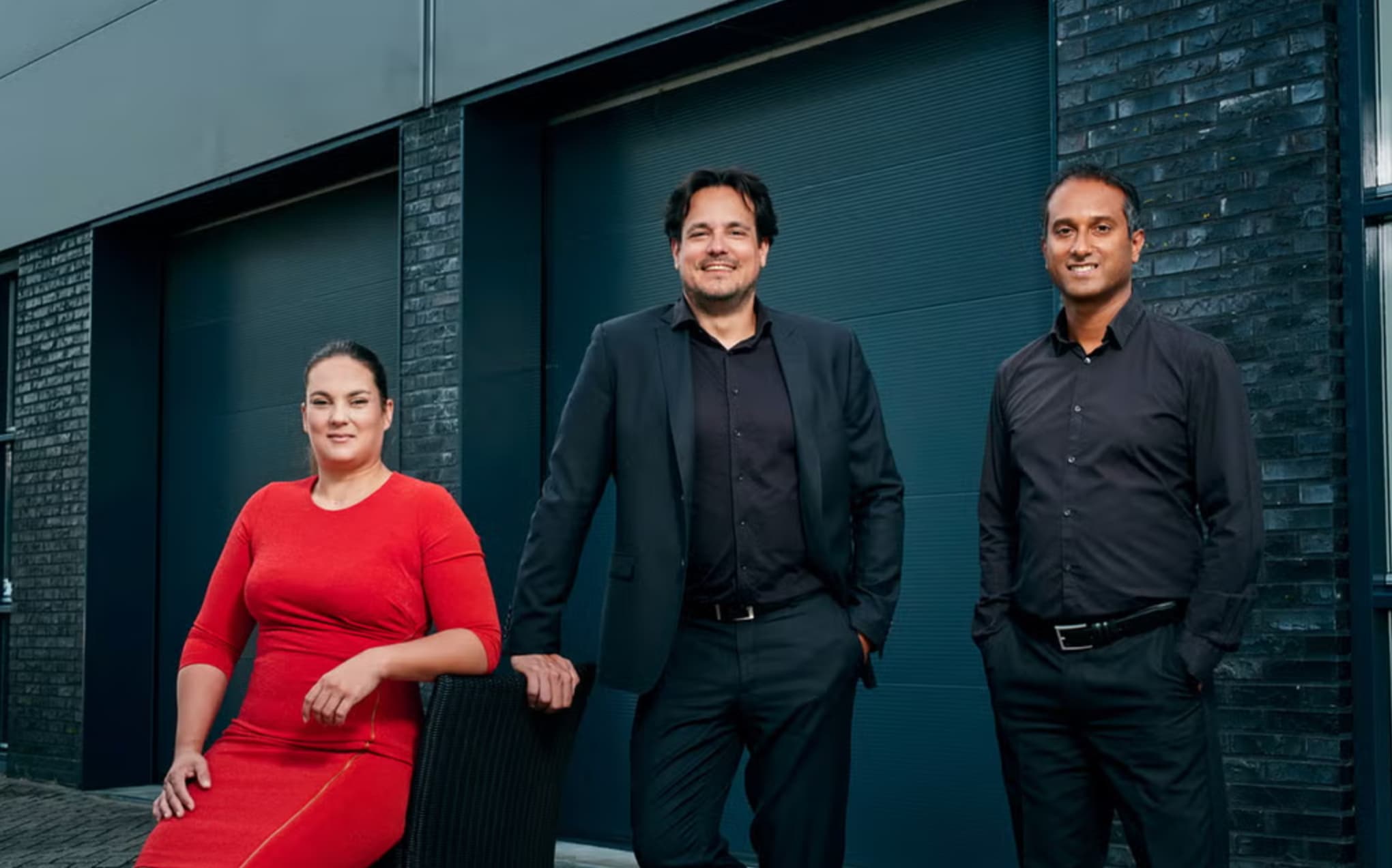
Kathy, Robert and Martijn pictured in Quote
My Grandfather had arrived to London, UK from Guyana in the 1950’s going to work in a crucible company that is now known as Morgan Advanced Materials. It’s now in Windsor, just outside of London, in the same town as Windsor castle but it was once in the centre of London close to his home by Battersea Park. My grandfather then went on to work for Ford in Dagenham, manufacturing engines and motorcars. Had things been different I’d probably have spent my entire career in production rather than following what had become the normal path of a university degree followed by some type of career doing ‘knowledge work’. Eindhoven taught me that real knowledge work happens on and adjacent to the factory floor.
Back to inPhocal
Last year, in September 2024 the company opened its first dedicated office after spending three years in an office inside of the incubator where the company was started (twice). Before that first office, when I was still in the core team we were in the open plan office and around the meeting rooms with all the incubator’s staff and other nascent teams. In three steps this little rag tag, ever evolving group of people became a real company, creating real products that the world is hungry for.
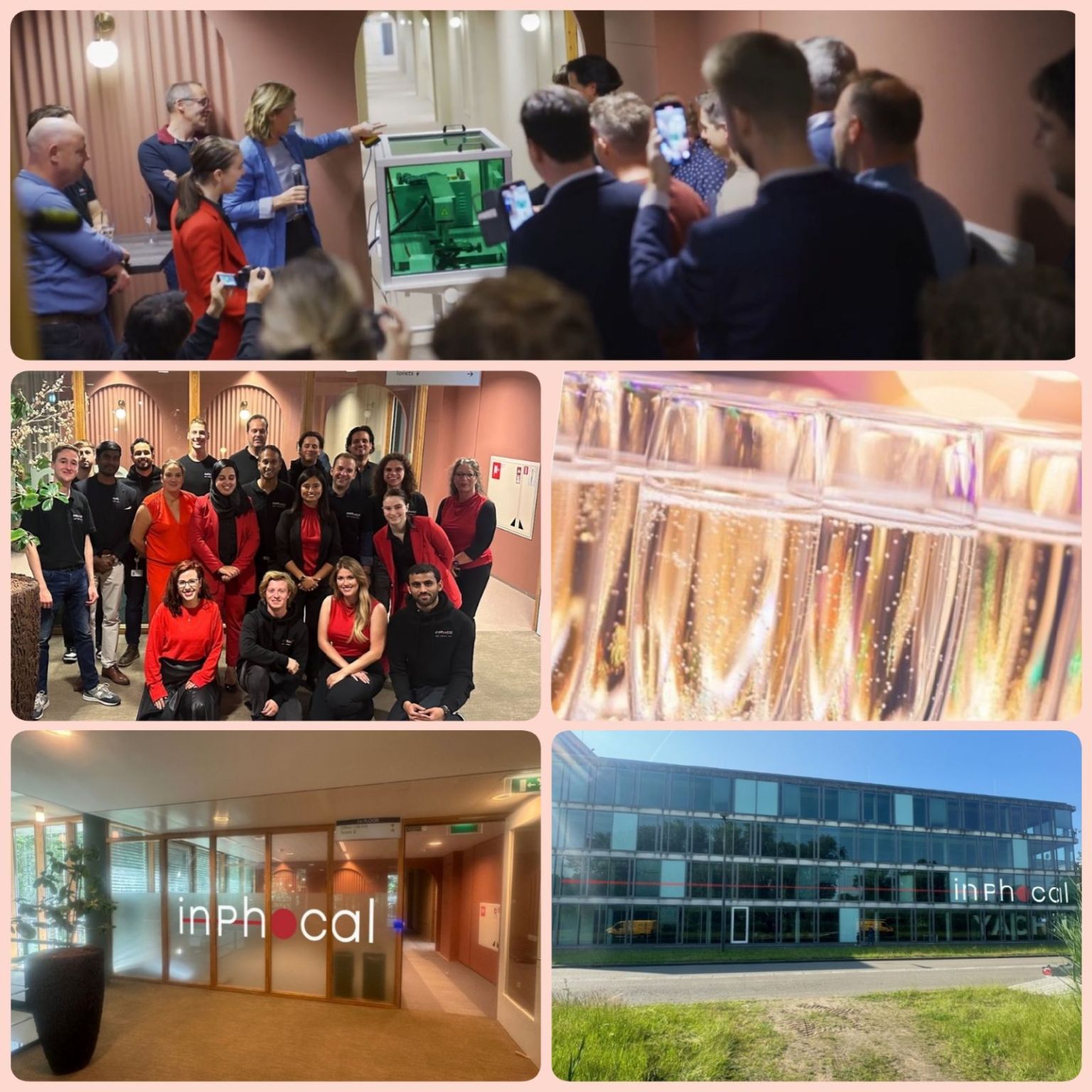
inPhocal office opening
In that time it wasn’t just the office that changed. The company started with one lab in Delft, scrappily organised through a partnership that Martijn secured with an old friend and former colleague, giving the company access to facilities most of the startups would have struggled to get so early on in their lifecycle, and at that stage of the incubator’s life since it too was still a startup going on scale-up. The company has since grown to having overseas production and at least two labs in the Netherlands at the time of writing.
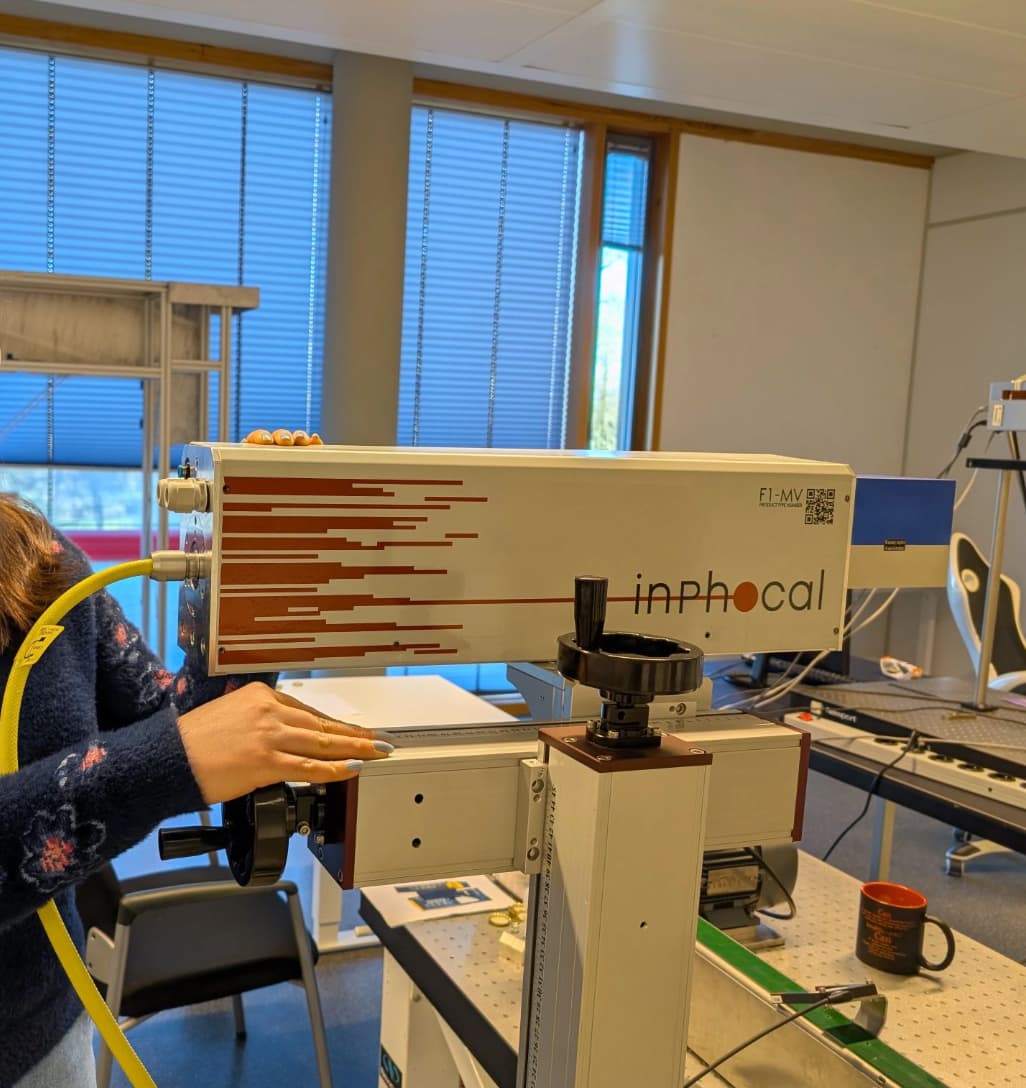
inPhocal production laser
In 2019 to 2020 the company’s early tech team used a very expensive simulation software, ZEEMAX to prove the concept and start gaining the first patents. In the beginning we literally had no money at all before we got the first regional startup subsidies and €30,000 released by the incubator for hitting their startup milestones. It really was beg borrow or steal time and we got access to ZEEMAX here and there before being given access to a license through ASML, a close partner and investor in the incubator where we started. Our structured laser beam technology also came from a CERN license initially so we had some direction and knew that it should be provable in simulation and with lasers once we were able to somehow get access to a lab.
After successful simulations and the first patent applications Martijn, Mozhgan and various interns got in the lab and were generating the first structured laser beams using classical physics set ups, improving the technology step by step. Robert arrived in 2020 and between having him as CEO, Kathy as the CFO and Martijn as the CTO things were really able to progress rapidly due to their significant combined experience in startups, scale ups, large companies and the physics lab. It was in the end a match made in heaven.
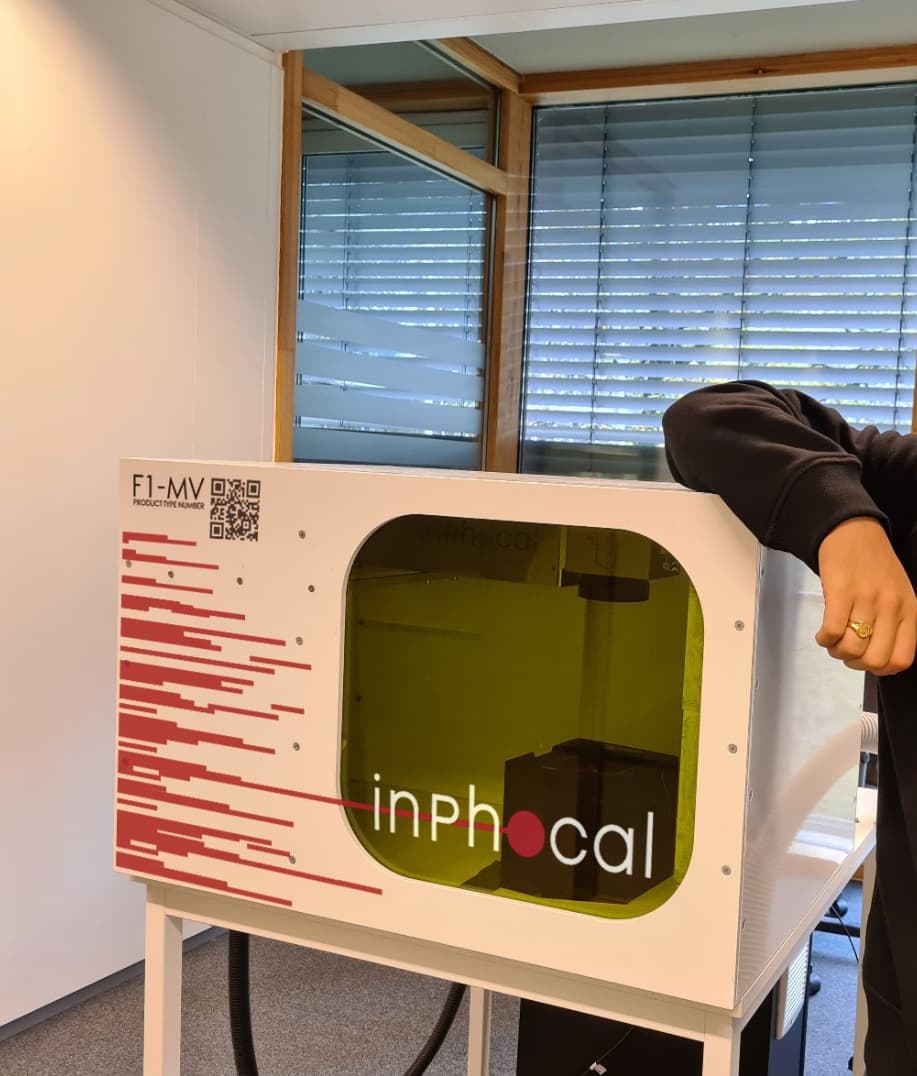
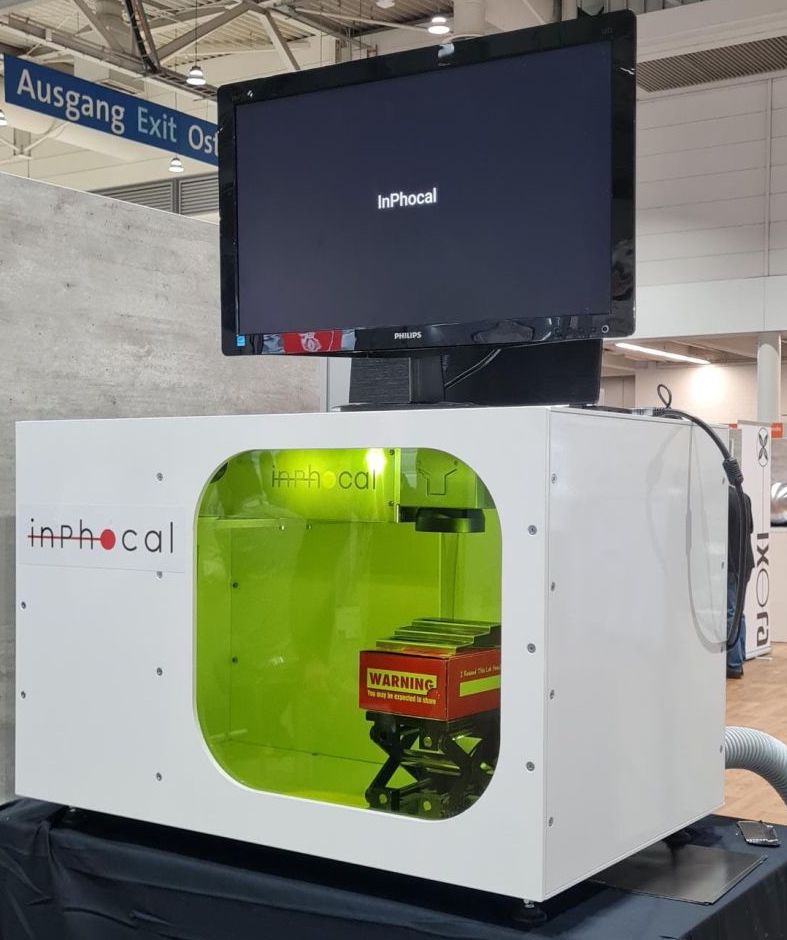
The images above and below show the speed of that progress. The unmarked whit box was one of the initial demo units from 2022, and now the machines with QR codes are in production just two years later, ready for rapidly moving production lines.
It's All About The People
inPhocal is an impressive little technology company, making a truly innovative zero to one product that’s a step change in its target market. So while technology is at the core of the company, it got to where it is because of the people involved. As mentioned the company had a previous version that hadn’t passed its milestone and had eventually ended up failing and being kicked out of the program. That is despite having a talented team and being led by a highly technical CEO. A microbiologist named Jayeeta who has gone on to become a very successful program manager at the Dutch national research organisation.
The CTO was a brilliant Physicist named Mozhgan who was also working for the incubator and Martijn was working on this project as a stand in Chief Product Officer whilst also being the CTO of the incubator. There were others who joined on a part-time basis and through the ASML talent program but it was a far from perfect set up. It was probably thanks to the disruption of the pandemic and other events aligning that inPhocal was able to be born in its current form. The right people became available and were finally available to commit to what the incubator considered full time. Which was hard considering you had to either have, or find the means to make a living while starting the company as the shares remained with the incubator.
They effectively owned 100pc until they signed over 60pc to the eventual founders of the final team, keeping 20pc for themselves and reserving 20pc for new investors. European VC is no easy game. This deal sounds rough, but again its the nature of things in Europe so we had to be scrappy and we had to be great to win. The program at HighTechXL has it's problems, especially then compared to the cash rich American titans we all know, but I doubt there are many incubators that have the other benefits and the entrenched over 100 year old technical network they do. It's based at the HTC which was the old Philips Research lab, where many famous technologies were invented. Nothing comes close to the heritage and network of people in Eindhoven.
The team members who worked in this company did it out of passion for another cool high tech project with no guarantee of monetary reward. That said everyone involved did get the option of a small number of limited shares if they could have continued involvement in the growth of the company, and most of the team went on to have very great roles within companies in the Eindhoven eco system. Merve and Mozhgan are great examples of that, but its also a story best told later for the sake of brevity.
The Photo below shows members of what were considered the core team of inPhocal V2, including mentors, interns and ASML talents. This was when things had really started coming together.
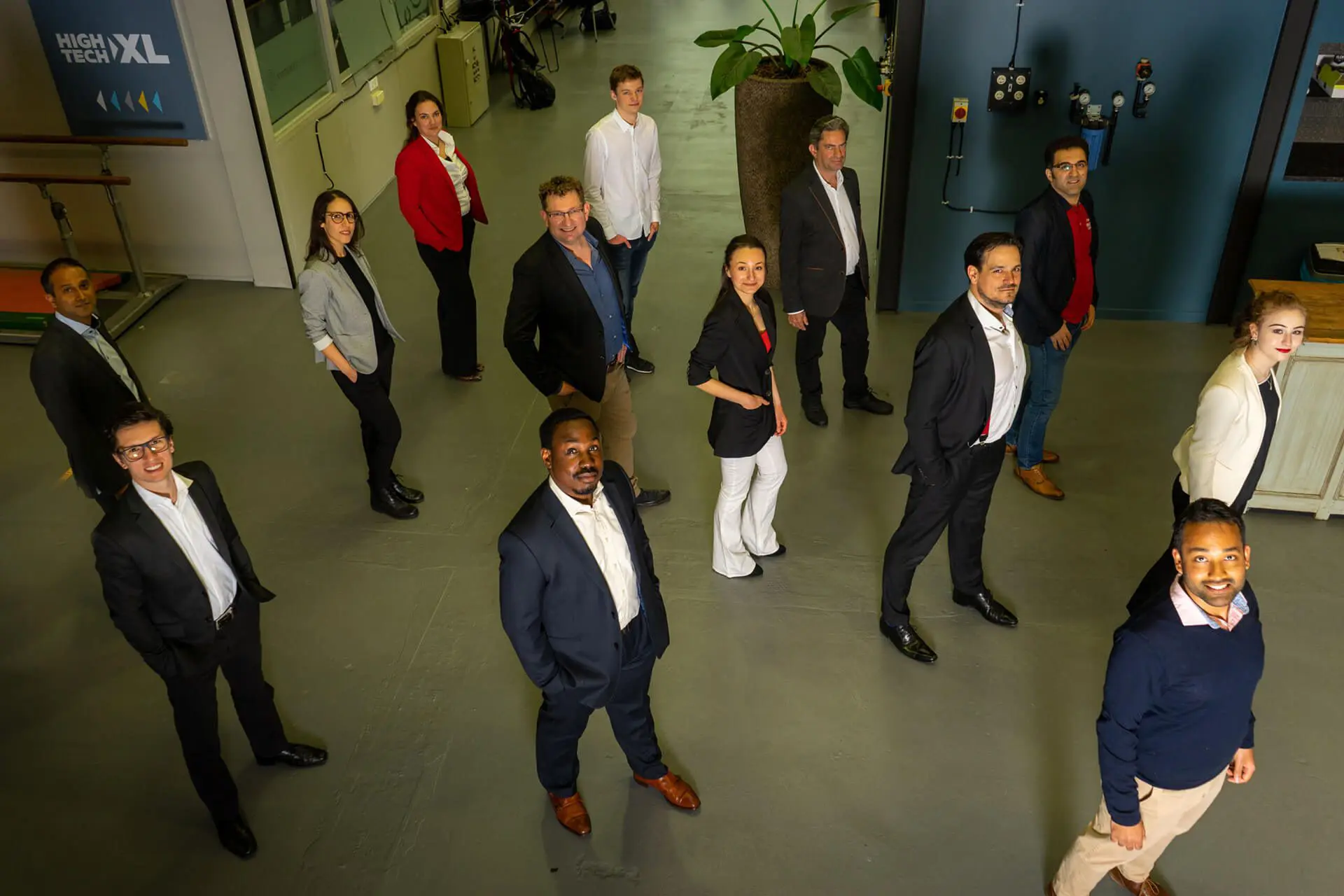
inPhocal V2 team photo
The team slide for inPhocal V2 shows the org structure, without any of the unnecessary C-Suite titles we needed to add legitimacy as a tiny startup in an area where titles and credentials really matter. In fact three of the core team members in the slide had a Physics Phd or were in the process of getting one in the Maarten’s case. This slide, unlike the photo above was a little before the arrival of Anna who was an intern, then the first official employee. Anna is now the company’s head of innovation, a somewhat meteoric rise. She was hired by Martijn and this is an example of his ability to be able to pick the right people with conviction. Choosing someone who would perfectly complement the team and eventually be taken under Kathy’s wing as a young woman in business.
Martijn was also the one who had suggested to me to bring on Merve as he remembered a pretty keen lady that had joined one of the HighTechXL networking events. I looked over her LinkedIn and got in touch. Like so many of the best people she was currently underemployed. She’d moved to the Netherlands from Turkey and had been working in Zara despite being a highly qualified HR professional. At Martijn’s suggestion I had the initial conversation, brought her in to meet the hiring team and she became a valuable member of the team, doing HR, office management and working as an excellent assistant to Kathy. Merve’s husband even took the V2 team photos, as Kathy’s husband was the one who designed the company logo. Having creatives around really helps. Thanks to her dedication and professionalism Merve never looked back, working now at Accenture after some time at ASML.
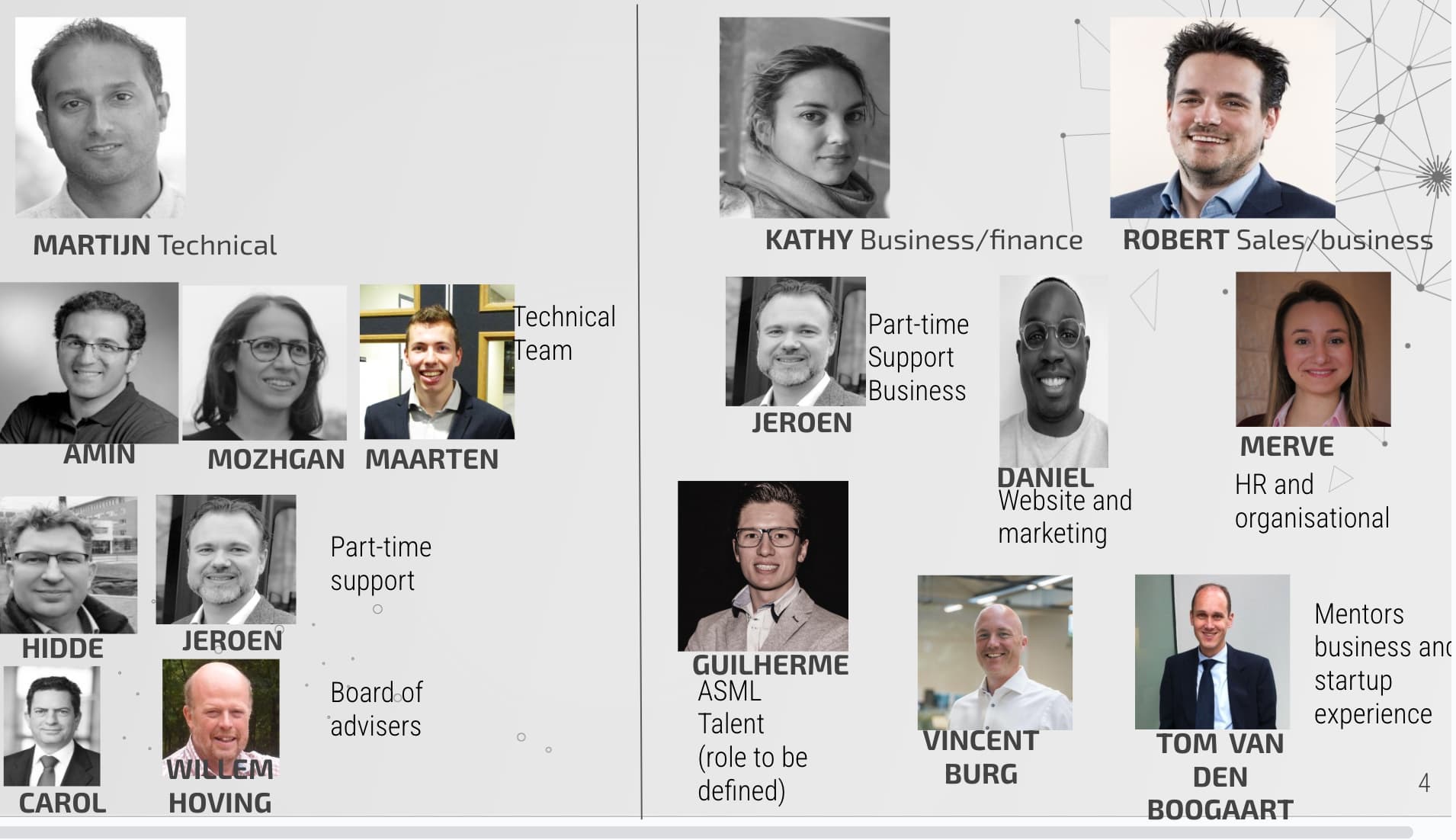
inPhocal V2 org slide
Kathy’s masterstroke was bringing Robert in, and she did so with absolute conviction. She knew he was the right person to get us to the next stage and me and Martijn trusted her judgment completely, especially given that I think we had both struggled in trying to hire CEO types not too long before. I think he knew startup people and technical people, I knew startup people so we both got it in that sense. However it was Kathy who knew the scale up C-suite. I was still acting cofounder at that time, working part-time in the evening for ASML to get my first experience in a production environment. Me and Martijn had hired Kathy, and it was me who pushed hard to bring her in, with the same conviction she had for Robert. The HR team at the incubator had been dragging their feet on candidate CVs, and I chased Kathy's application through because we both knew she was the right person. She proved crucial in completing the founding team alongside Robert. Around the same time, my part-time evening role at ASML ended as a result of the pandemic, and by that September my day-to-day involvement in inPhocal had wound down too — timing that lined up almost exactly with our YCombinator application.
Looking back, it was this same instinct for picking the right people that made V2 succeed where V1 hadn't, despite starting a machinery company in a pandemic with little money and a demanding incubator. I went into those early negotiations with one eye on the scale of U.S. VC funding, which wasn't always the right frame of reference for how things worked culturally in the Netherlands. I pushed hard for my team in ways that weren't always well received by the incubator, and there were a few blunt exchanges along the way. Hindsight tells me it would have been wiser to know how to push, not just that I should.
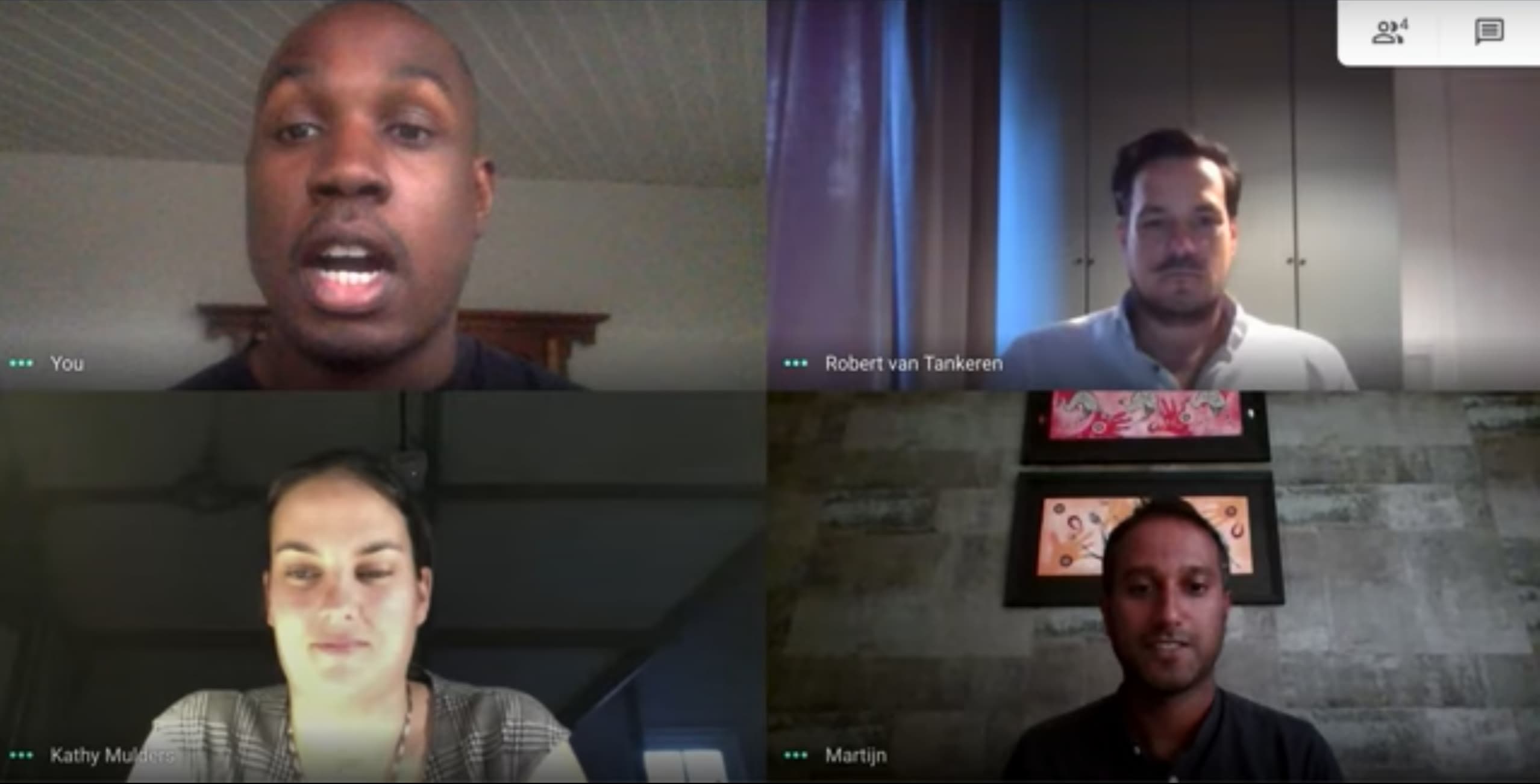
YCombinator application video from September 2020 when we were briefly four prospective cofounders
Robert was a breath of fresh air for everyone. He was a great cultural addition and his first day was telling of how he’d be. This polished corporate hire, unproven in startups, was a hit from the moment he walked through the doors. His ability to deal with pressure and to give a flawless presentation of any length was perfect, and he could do it on day one after extensive conversations and onboarding by Kathy and Martijn. He arrived at exactly the right time — we were under real pressure from the incubator's founder, Guus, a serial entrepreneur who had been an engineer and Philips youngest ever VP before going on to do things that deserve their own long article, or probably a book.
Guus was pushing hard because the pitch wasn't landing yet, and funding and partners depended on getting it right. One of his more pointed comments landed on me — I'd just made the company movie, and he wondered aloud why I wasn't doing the pitch, not realising Robert was about to join. So on Robert's first day we were already under pressure. Robert's reaction summed him up: "This is fun," he said, smiling, while the rest of us were still apologising and catching our breath. It confirmed Kathy had been right to chase him down — someone who'd held a great, high-level job before and could easily have done so again.
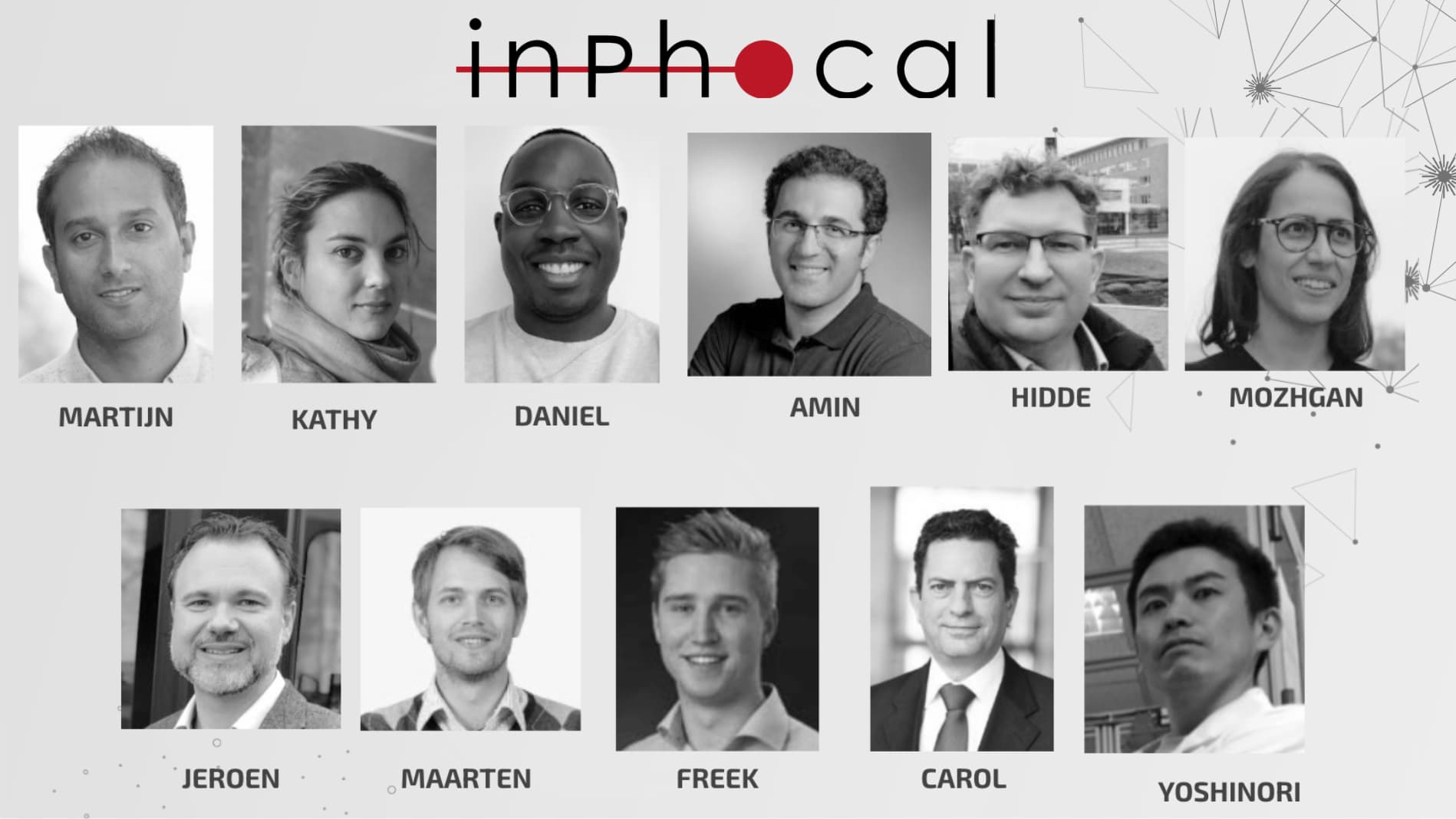
inPhocal early V2 team slide
The addition of Kathy, and then Robert in the middle and later stages of 2020 were when the organisation had really started to gain traction. The technology team had been ticking along nicely from the start due to Martijn’s connections and our network from within the incubator.
The V1 CTO, Mozhgan was still working at HighTechXL so Martijn had brought her in early to carry on working on the simulations, I had also brought in a brilliant design engineer called Amin who I’d worked with on printed electronics, another technology in the incubator that had failed. Not due to the team, it was because the Technology Readiness Level (TRL) was too low to take to market. I then worked on a fiberoptic technology which didn’t interest me so I joined inPhocal V1 before it died and then rejoined Martijn when he’d left the HighTechXL CTO role to start inPhocal properly. He had two cofounders that left and when they did, he messaged me and we started V2 properly. Perfect timing because I was without a project having moved all the way to Eindhoven to join a HighTechXL startup.
Both Mozhgan and Amin are brilliant. Amin, like Robert is another smiling, stress resistant individual who operates in his zone of genius. Again it was both instinct, having seen his immense talent in another team and the fact he was also available and looking for a project to work on. He had joined HighTechXL as an ASML talent and spent his days designing the world’s most complex machine before helping a scrappy little startup in his spare time.
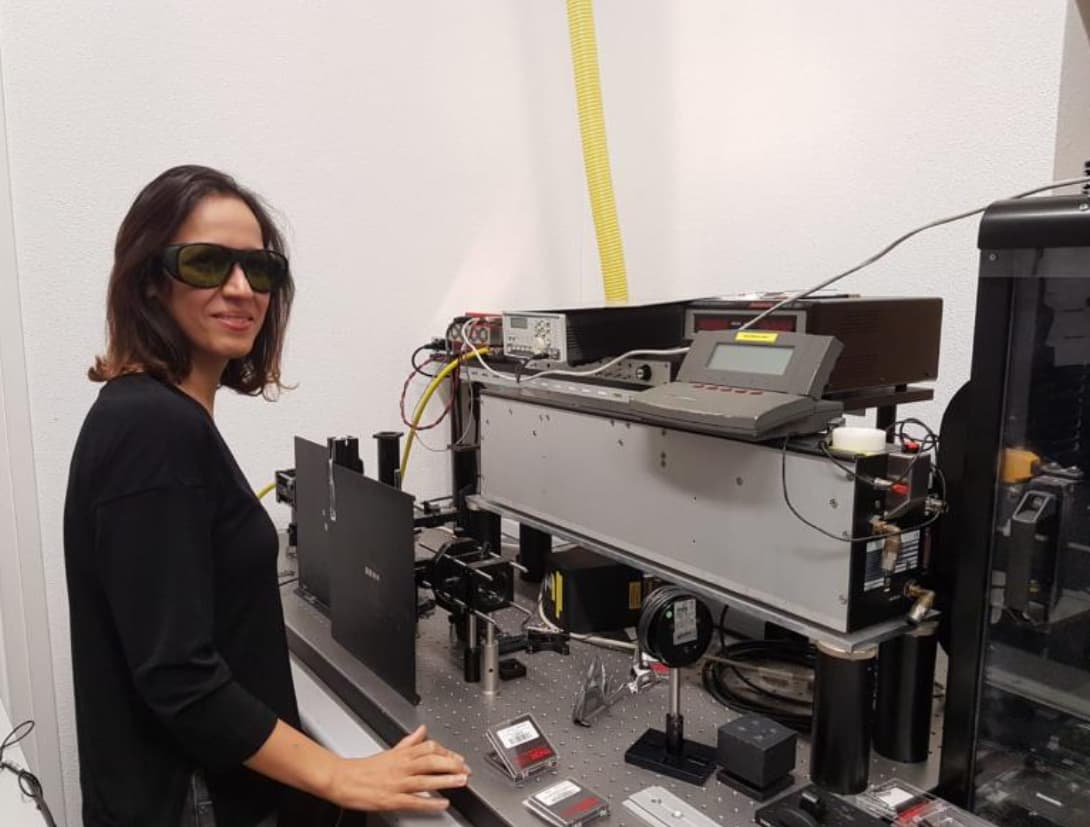
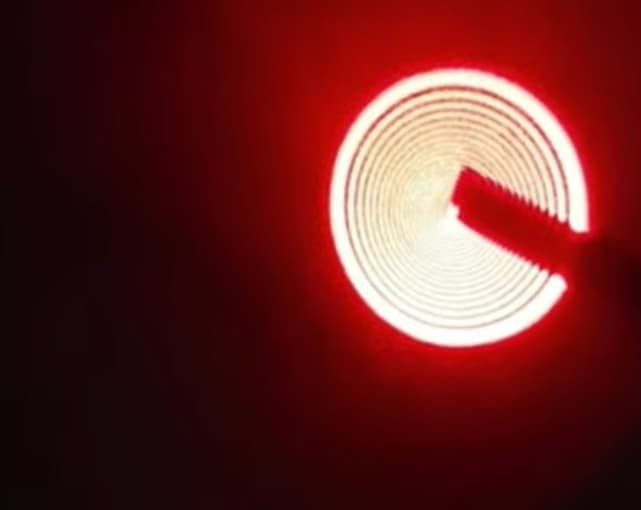
Martijn had also secured mentors, a lab and great interns to help build the technology was simulations confirmed it would work. The images below show the lab set up before there was a machine, and a structured laser beam showing it could reconstruct itself around obstacles. That crucial feature gives a laser many new uses, from extra focal depth in laser marking to more commonly being used in free space optics for communications over long distances without being blocked by obstacles.
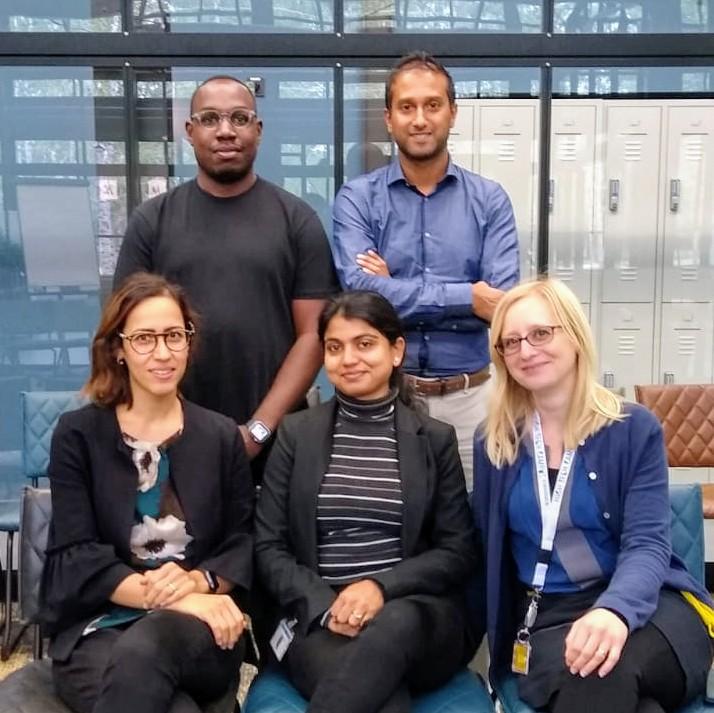
So it was inPhocal V2 that finally ended up making it due to great people and a bit of luck along the way. The image below shows inPhocal V1 in 2019 when Jayeeta was CEO, Martijn was involved part time as CPO while serving as CTO of the incubator, Mozhgan, an employee of the incubator was CTO, I had joined as a generalist after leaving the fibre optics team and Lilly was a business analyst. At the time, Toam who is now at the incubator’s not at the time in existence, €100m sister fund DeepTechXL was ‘Head of Design’ but probably a generalist like me. We also had an ASML talent, Wouter. The image below shows an even earlier version of V1 with Martijn, Paul, Jayeeta, Sudisna and Mozhgan.
inPhocal V1.2
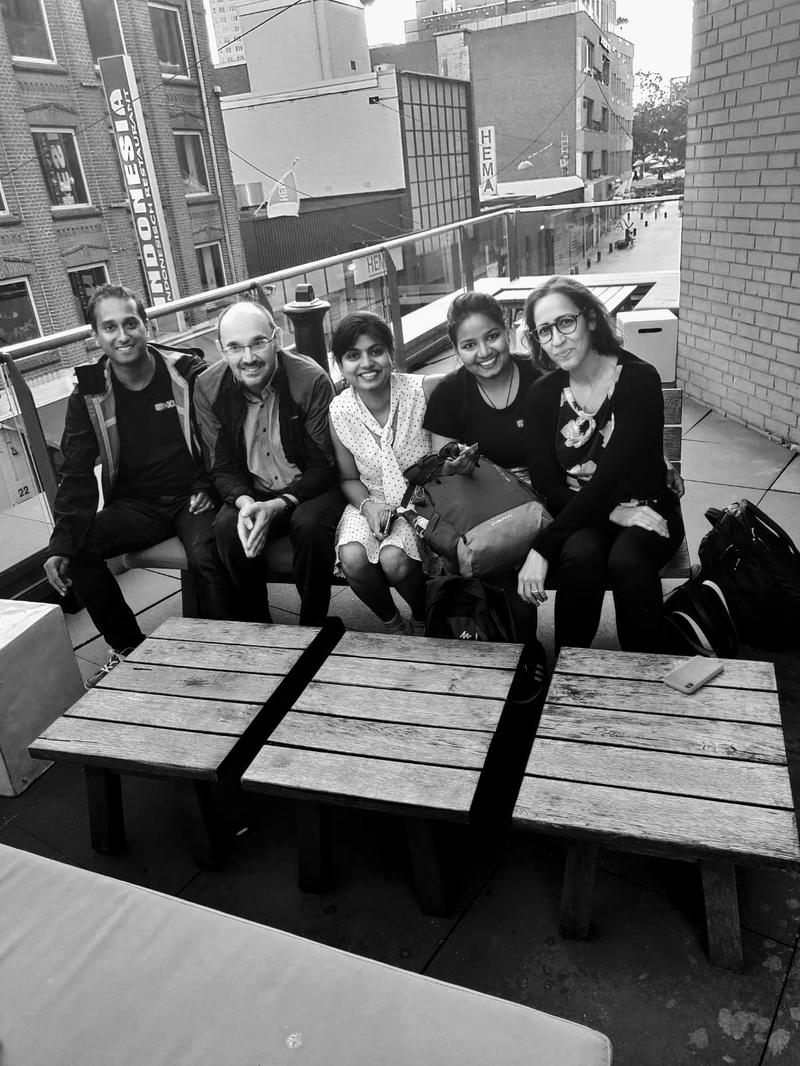
inPhocal V1
Thanks for reading
Get In Touch
Have questions or comments about this content? Feel free to reach out.